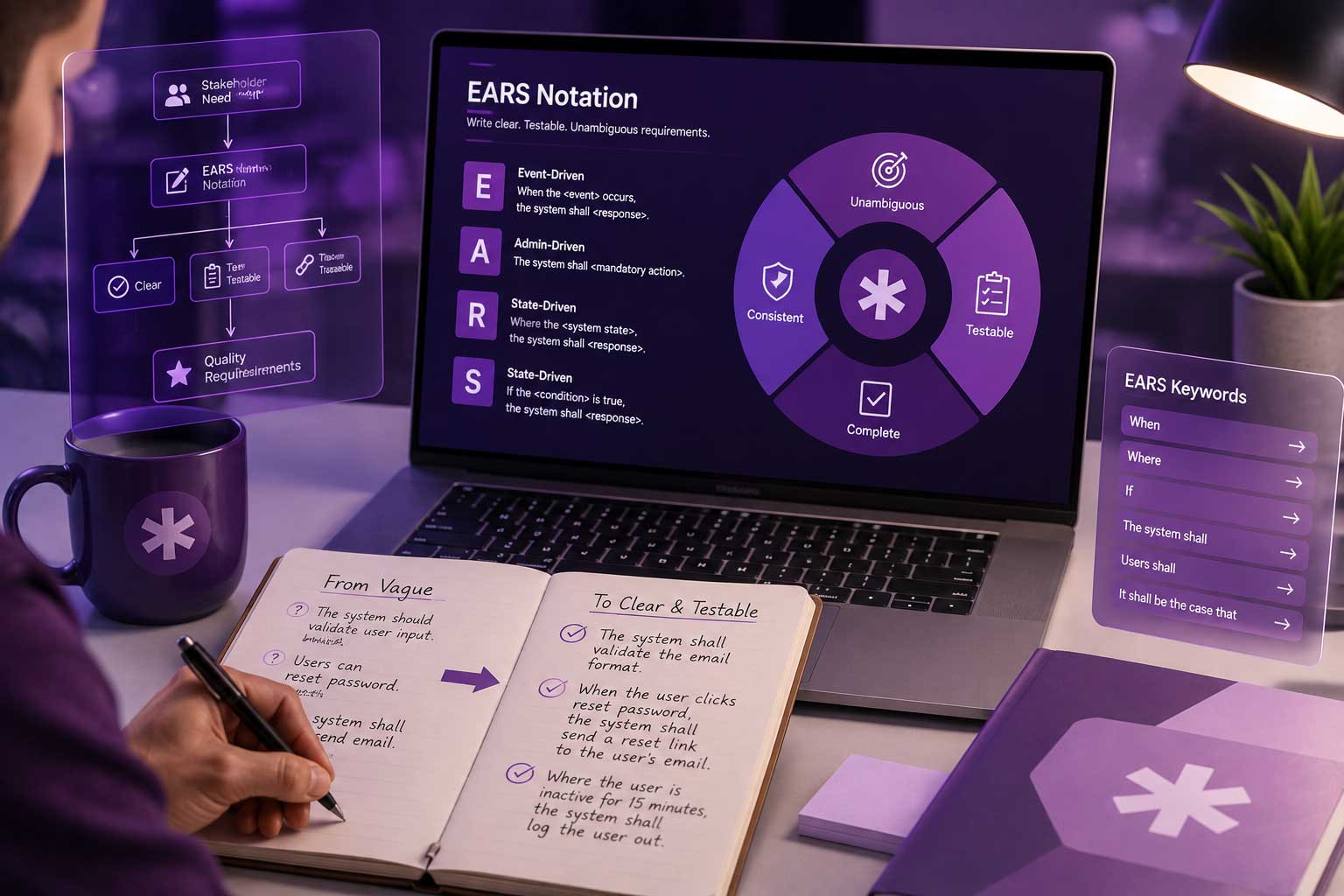
Learn EARS notation, its keyword patterns, and how to turn vague requirements into clear, testable ones, with examples and a guide to choosing the right pattern.
Weiterlesen
Learn EARS notation, its keyword patterns, and how to turn vague requirements into clear, testable ones, with examples and a guide to choosing the right pattern.
Weiterlesen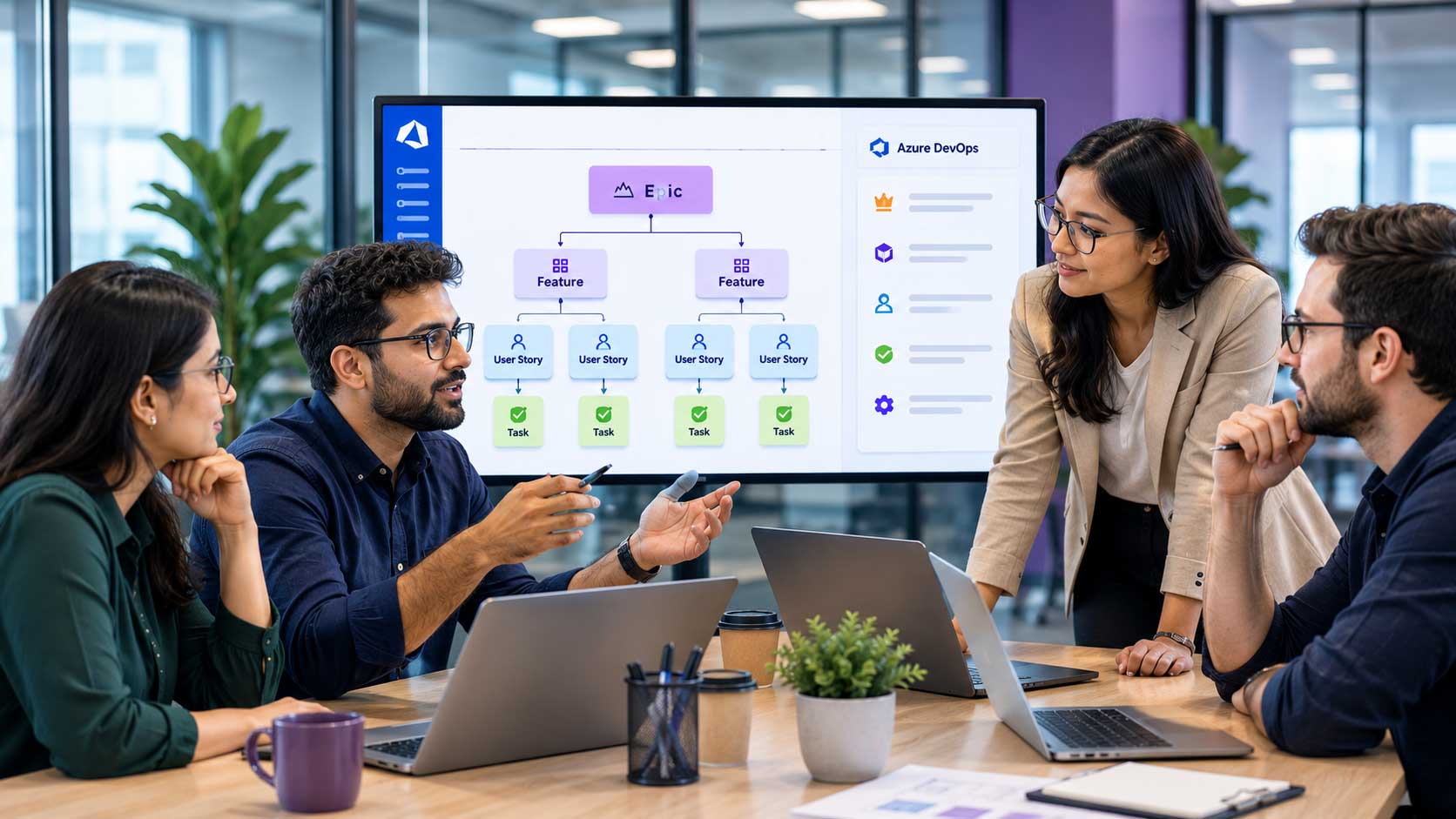
In Azure DevOps, a feature is a mid-level work item for a distinct capability, sitting between epics and user stories. Definition, example, and hierarchy.
Weiterlesen
In Azure DevOps, an epic is the top-level work item for a large initiative that spans multiple features. Definition, an example, and how it differs from a feature.
Weiterlesen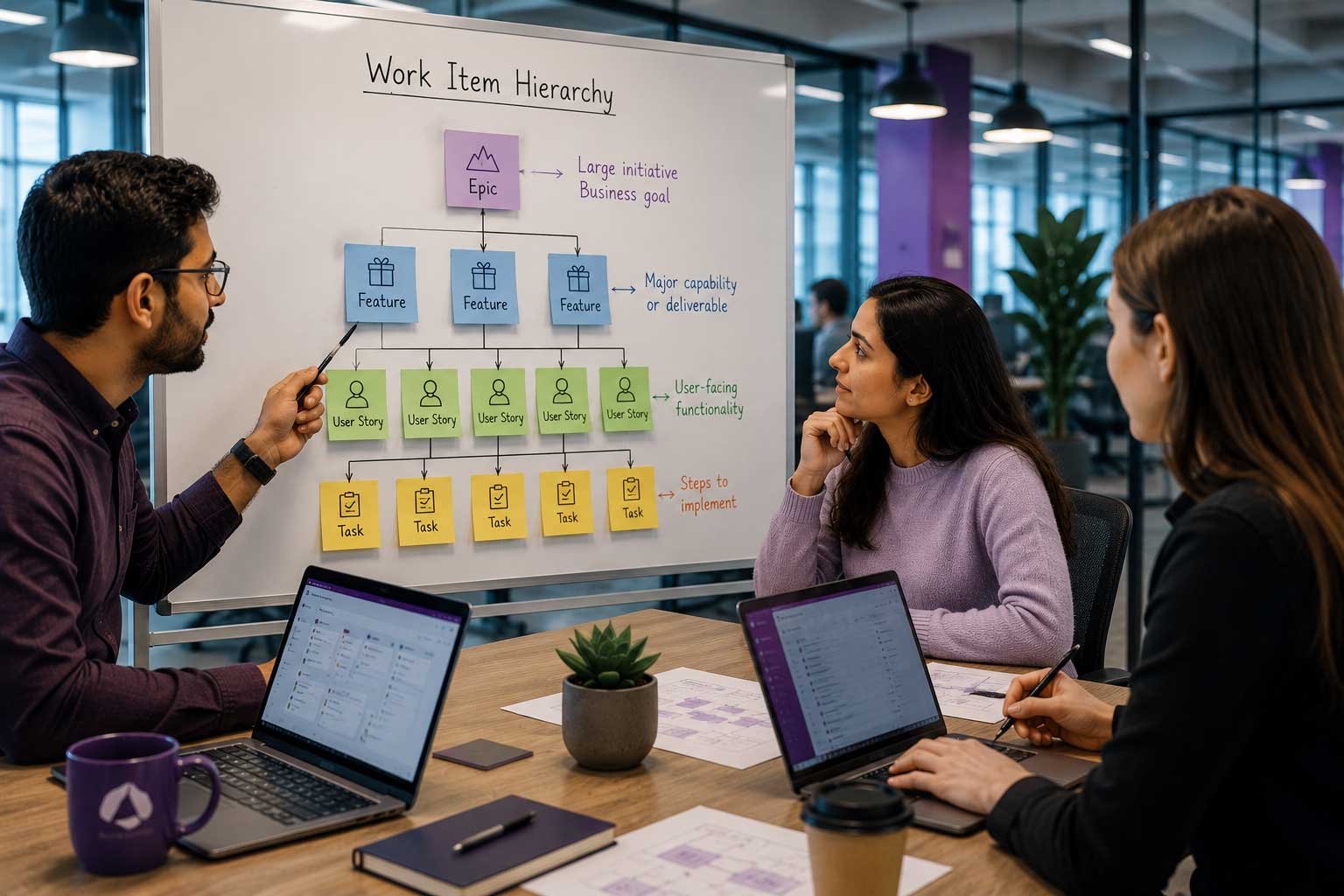
The Azure DevOps work item hierarchy runs Epic to Feature to Story to Task, linking daily work to big goals. Structure explained with an example.
Weiterlesen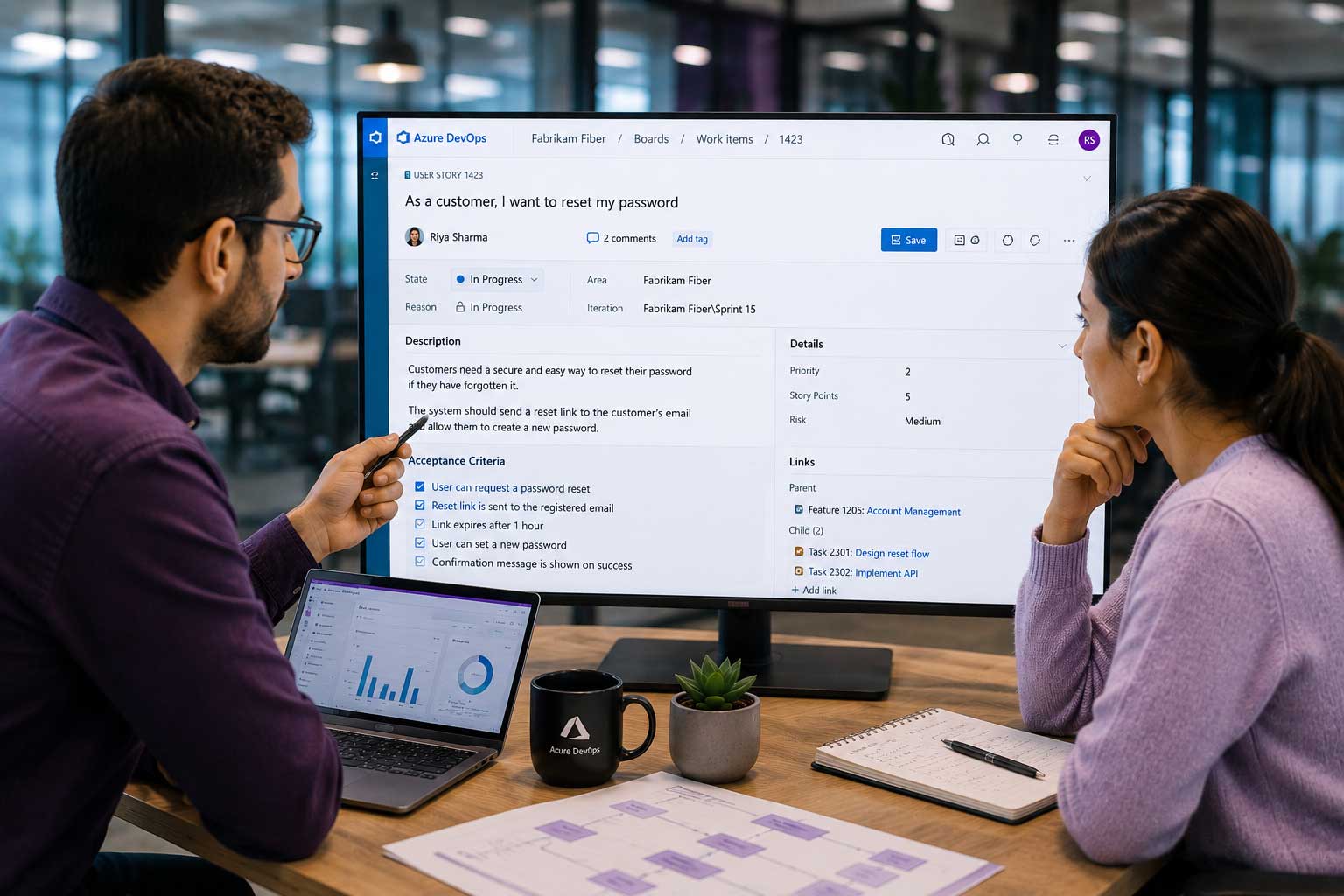
A work item in Azure DevOps tracks one piece of work, like a story, bug, or task, with fields, status, and links. Types explained, plus how they aid traceability.
Weiterlesen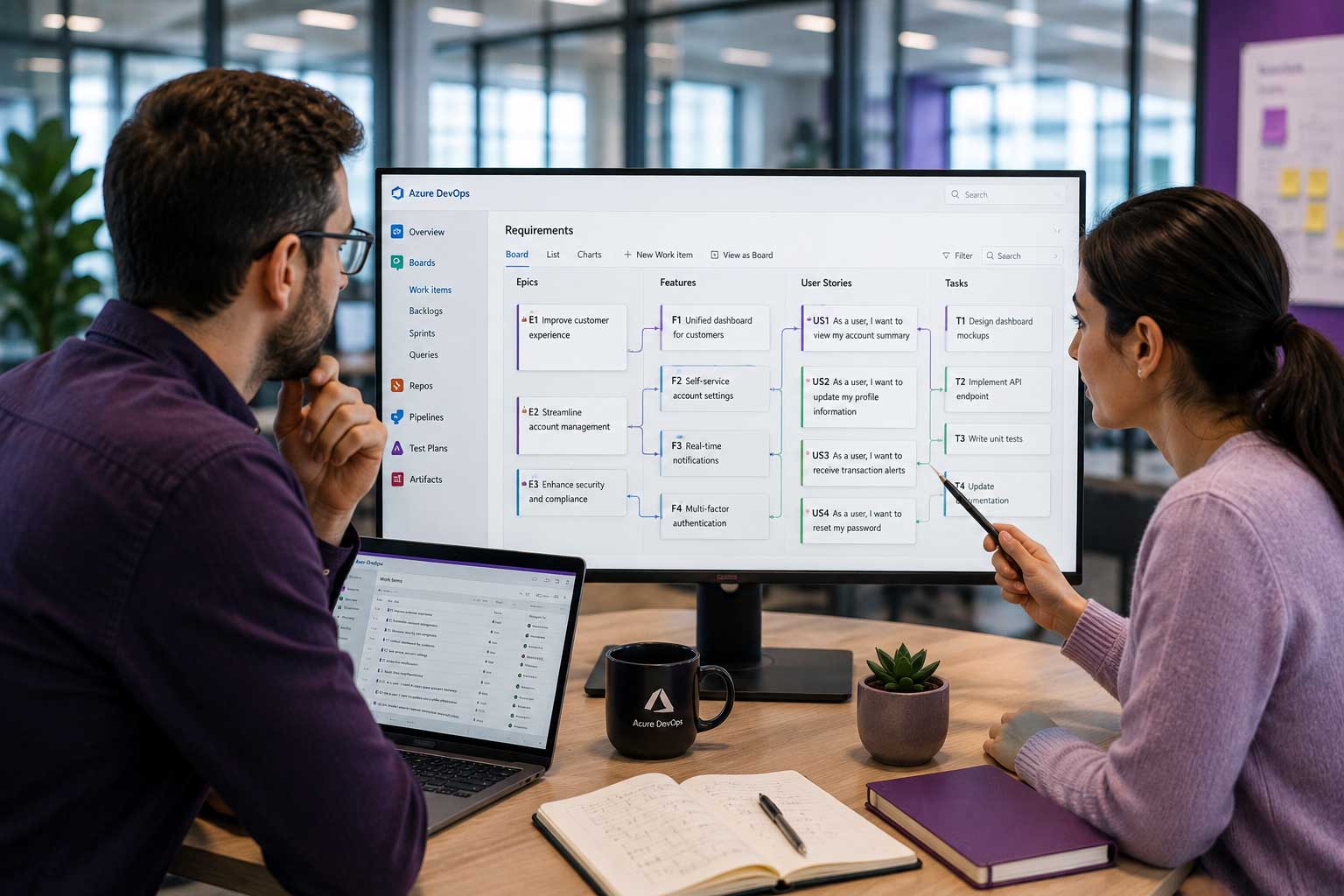
Requirements management in Azure DevOps means capturing and tracing requirements inside work items, not separate docs. What it covers, and where native gaps sit.
Weiterlesen
Requirements elicitation is how teams draw out real stakeholder needs through interviews, workshops, and observation. Definition, techniques, and examples.
Weiterlesen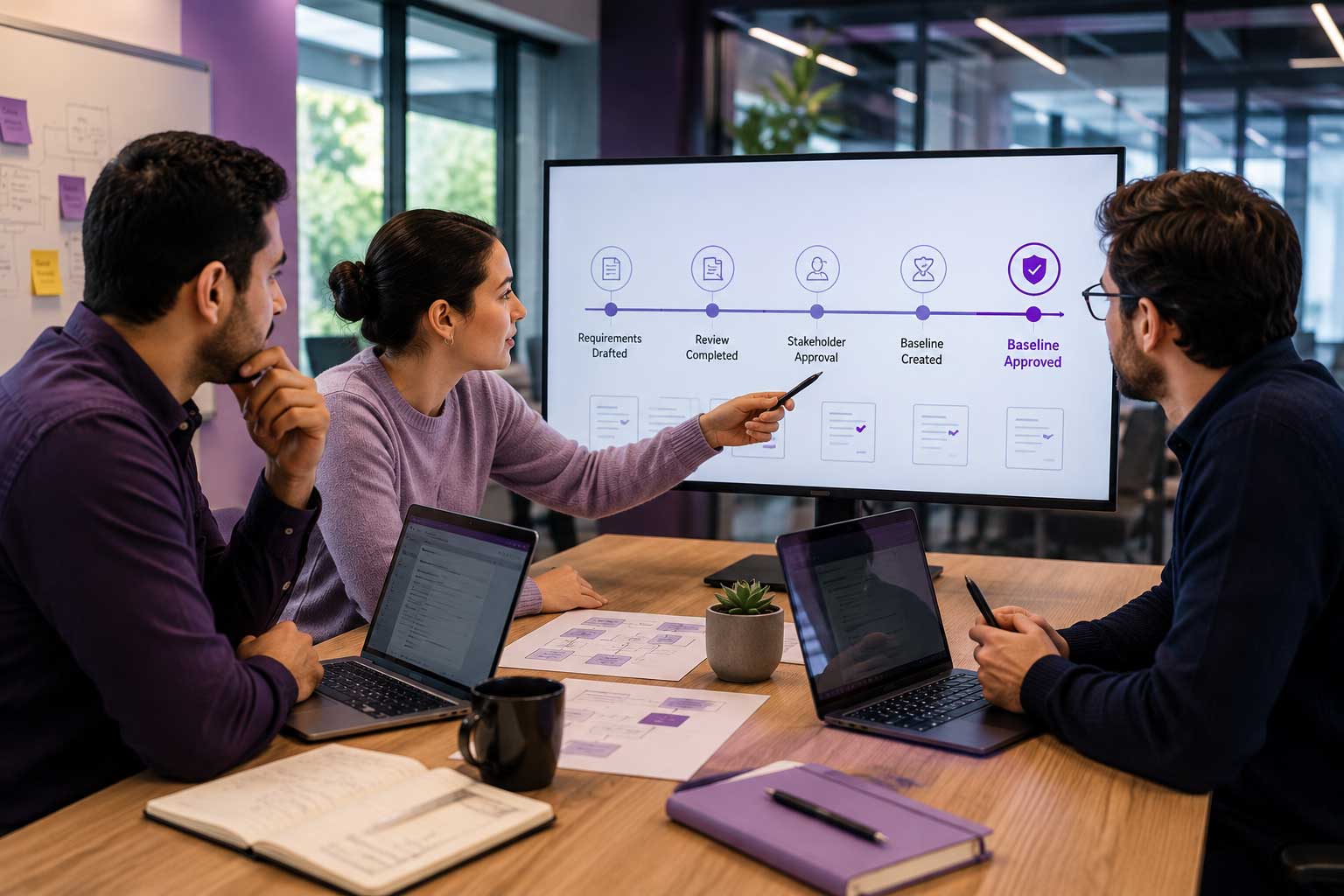
A requirements baseline is an approved set of requirements, frozen as the agreed reference for a project. Definition, why it matters, and an example.
Weiterlesen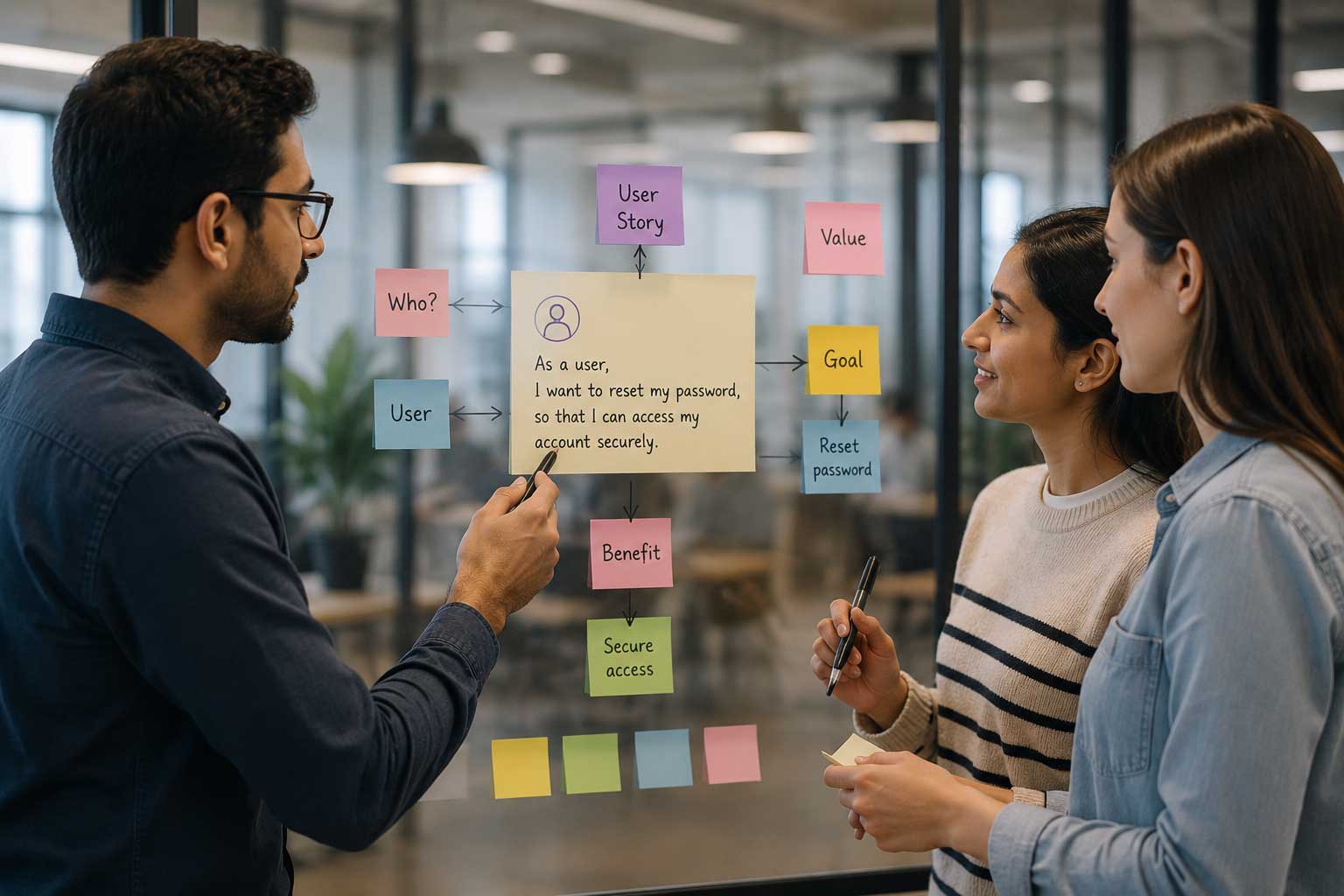
A user story is a short description of a feature from the user’s point of view. See the format, examples, and how stories differ from use cases.
Weiterlesen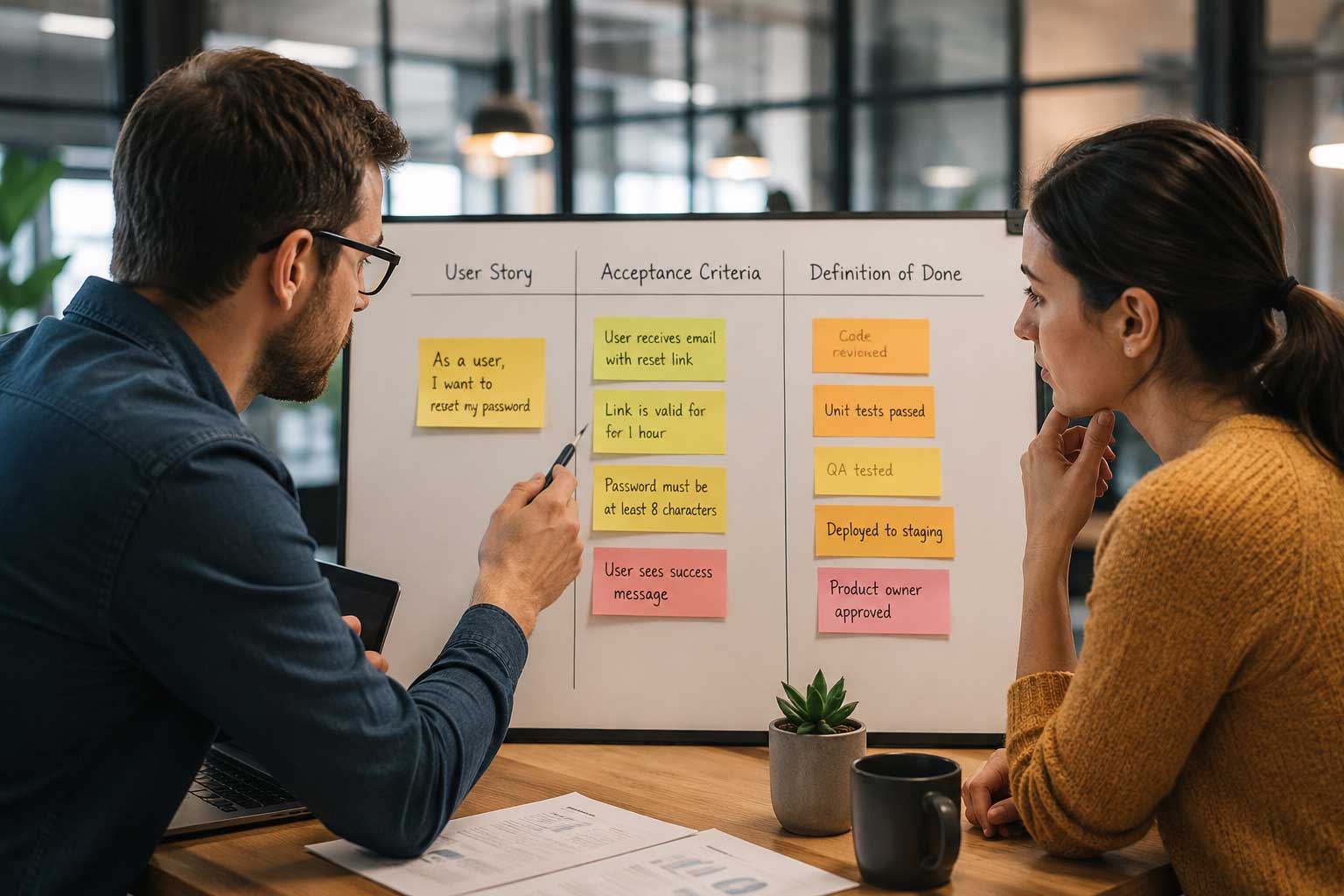
Acceptance criteria are the testable conditions a user story must meet to be done. Definition, examples, and how they differ from the definition of done.
Weiterlesen
End-to-end requirements management in Azure DevOps.

AI-powered assistance for DevOps workflows.

Autonomous AI agents for DevOps execution.

Compliance management, built into Azure DevOps.

Real-time data sync across tools and systems.