Ir al contenido

Baselining vs Versioning: When to Use Each in Requirements Management

Baselining vs Versioning - When to Use Each in Requirements Management
Listen to this blog

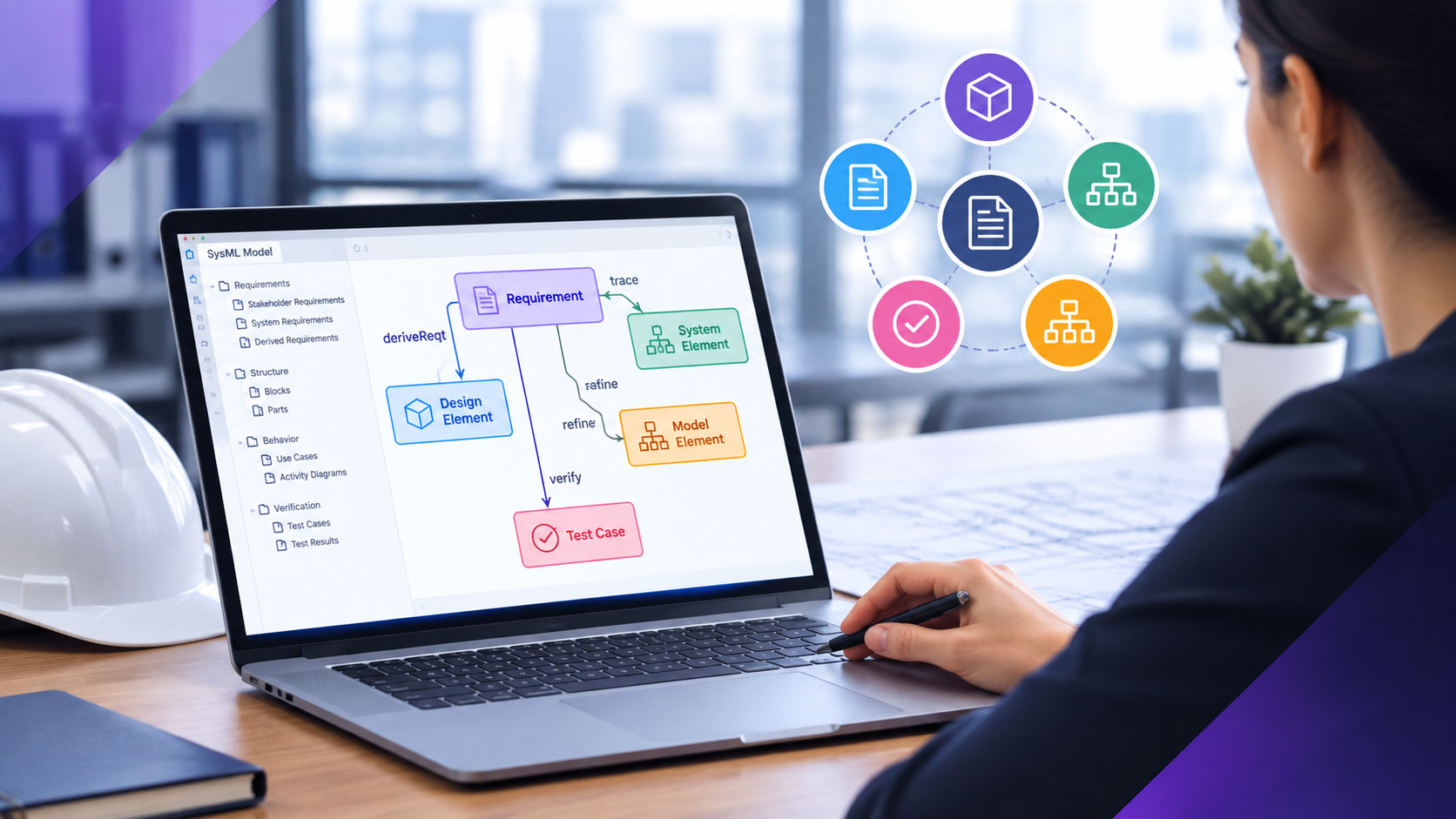
Baselining and versioning both preserve the history of your requirements, but they solve different problems. One tracks how a single requirement changed. The other locks the entire set at a moment worth remembering. In this blog, we will understand what requirement versioning and baselining are, the difference between them, when to use each one, and how to create requirement versions and baselines within Azure DevOps.

Puntos clave

What you’ll learn in this article

  • Versioning records the evolution of individual requirements, providing a complete revision history that explains what changed, when it changed, and who made the update.

  • A baseline captures an approved snapshot of the full requirements set at a defined milestone, preserving it as the official project reference.

  • These practices complement each other — requirements keep evolving through versioning, while baselines are established after key events such as approvals, sprint completions, and releases.

  • Azure DevOps maintains work item revisions, but comparing revisions and managing requirement baselines typically requires an extension such as Modern Requirements4DevOps.

Want full requirement versioning and baselines inside Azure DevOps? Get a Demo

What Is Requirements Versioning?

Requirements versioning is the systematic process to track every change made to the individual requirements over time. Instead of replacing the previous version while changing a requirement, it creates a new revision and assigns a unique ID or version number like V1, V1.1, V2, etc., to each iteration of the requirement. Also, it gives a complete history to the team of how the requirement changed throughout the project and allows them to compare the current version with past versions.

Requirements versioning answers questions like:

  • Who changed it?
  • When was it changed?
  • What changed?
  • Why was it changed?
  • Can we restore an older version?
Illustration titled "Implementing Requirements Versioning," showing five ascending steps on an upward arrow: Track Changes (systematically record every modification), Create New Revision (generate a new version instead of overwriting), Assign Unique ID (give each iteration a distinct version number), Provide History (maintain a complete record of changes), and Compare Versions (compare current and past versions for analysis).
The five steps to implementing requirements versioning, building from tracking changes to comparing versions.

Furthermore, versioning focuses on a single requirement rather than the entire specification. Also, as mentioned in requirements management standards, like ISO/IEC/IEEE 29148, teams should have version management together with change management and traceability. 

What Is a Requirements Baseline?

A requirements baseline is a locked snapshot of the entire requirement set, which is captured at a specific moment in a project. IEEE defines it as a specification formally reviewed and agreed to, which afterward can only change through formal change control. That last part carries real weight.

Once a baseline is created, teams can’t add or remove requirements from it, and it works as a reference point for different teams like development, testing, QA, and stakeholders. However, teams can continue changing individual requirements and update their version, but those changes do not alter the original baseline, and teams still follow the original one. This helps in identifying scope changes, measuring progress, and showing exactly what was approved at a particular milestone, like sprint 1, sprint 2, etc.

Furthermore, baseline becomes legal evidence for approvals, audits, contract compliance, design reviews, and customer acceptance. 

Baseline vs Versioning: What Is the Real Difference?

Generally, teams treat versioning and baselining as the same or alternatives to each other, as both preserve the past of requirements, but they answer totally different questions. Versioning follows the life of an individual requirement, while baseline preserves the approved state of particular requirements. Here is the clear difference between baseline and versioning:

Aspecto
Requirements Versioning
Requirements Baseline
Scope Micro vs macro
Tracks one requirement at a time and works at the micro level.
Captures the complete set of approved requirements and works at the macro level.
Purpose Why it exists
Records how a requirement changes over time.
Preserves the agreed state of the specification at a milestone.
When it’s created Timing
Automatically or continuously whenever a requirement is updated.
Intentionally after approval, review, or another key project milestone.
Can it change later? Mutability
Yes, you can edit requirements, and it creates another revision in the history.
No. The snapshot remains unchanged after it is created; however, individual requirements can be changed.
Main question it answers Core question
How did this requirement change?
What did the approved requirement set look like on that date?
Example In practice
A login requirement moves from password-only to password plus multi-factor authentication over three revisions, and every revision creates a new version.
The approved requirements for Release 1.0 are captured and locked before teams start any development.
Best use case When to use
Daily requirement updates, review history, comparison, and rollback.
Scope control, stakeholder sign-off, release planning, and compliance audits.
Impact on teams Who benefits
Helps analysts, developers, and testers understand the latest requirement changes.
Gives every stakeholder a common reference for development, testing, and review.

When Should You Use Requirements Versioning?

Requirements never stay the same, as business needs change, users provide feedback, and technical teams identify better ways to build a feature or optimize features. In such cases, versioning keeps a clear record of these updates without losing earlier revisions.

Use requirements versioning when you need to:

  • Record every change made to an individual requirement. This is most needed while working in regulatory industries, as teams need to submit reports of how work items evolve, who has managed them throughout the project lifecycle, etc. 
  • Compare individual revisions of two work items before approving proposed changes.
  • Restore an earlier version when an update introduces an error or is rejected.

Versioning works best as an always-on or continuous practice. It helps teams to automatically record revision history and update requirements naturally throughout the project lifecycle.

When to Baseline Requirements Instead of Just Versioning Them

Imagine you are halfway through the development and regulators or stakeholders ask what was approved months ago. Do you have an answer for this? If not, then this is exactly where the baseline can be used to prove what was agreed upon. It becomes legal evidence for approvals, audits, contracts, compliance, etc.

Teams typically create a baseline when they need to:

  • Before a formal review or getting sign-off from stakeholders on a fixed set of approved requirements.
  • Freeze scope before a sprint or a major release starts.
  • Prepare for a regulatory or compliance audit.
  • Start work with an external vendor or customer under an agreed specification.
  • Compare the current requirements with an earlier approved version of the project.
Illustration titled "Difficulty proving approved requirements during development," showing five challenges as leaves on a plant: External Collaboration (no agreed specification with vendors/customers), Comparison Needs (difficulty comparing current with approved versions), Unfrozen Scope (scope changes frequently before sprints/releases), Audit Preparation (no documented approved requirements for audits), and Lack of Formal Review (no stakeholder sign-off on approved requirements).
The five signs your team needs baselines, not just versioning — from unfrozen scope to audit readiness.

Furthermore, versioning and baselining work together, and let’s understand it with an example:

  1. Imagine a team has 50 requirements for implementing a payment module.
  2. After stakeholder approval, teams create Baseline 1.0, and development starts.
  3. A few weeks later, three payment requirements were updated to support a new tax rule and create new versions, like V1, V2, etc., for them. Still, Baseline 1.0 remains unchanged.
  4. Then, updates are reviewed and approved, and a new baseline 2.0 is created before sprint 2.

This is exactly how regulated development works.

How Baselining And Versioning Work In Azure DevOps Using Modern Requirements4DevOps

For teams working inside Azure DevOps, get basic requirements version control, but it doesn’t allow you to compare revisions side by side or establish a control baseline across a complete requirement set. As a result, organizations are using fragmented tools to manage versions and baselines outside of Azure DevOps. 

Modern Requirements4DevOps is a one-stop solution to all of these challenges and offers versioning and baselining capabilities inside Azure DevOps. By using smart edit, teams can view previous revisions, compare them with current revisions, and quickly understand what changed, who changed it, and when without leaving the ADO workspace. It clearly highlights removed content with red text and added content with green. This simplifies reviews and creates a clearer audit trail for teams working under standards such as ISO 13485, ISO 26262, FDA 21 CFR Part 11, or DO-178C.

How Baselining And Versioning Work In Azure DevOps Using Modern Requirements4DevOps

Furthermore, a baseline can be created directly by selecting the set of ADO work items or other modules of Modern Requirements4DevOps, like Smart Docs, Review, Version Package, etc. So, teams don’t need to do context switching between multiple tabs or leave Azure DevOps.

How Baselining And Versioning Work In Azure DevOps Using Modern Requirements4DevOps

By bringing versioning, baselining, traceability, and review management together, Modern Requirements4DevOps keeps every approved requirement linked to its history and related artifacts, simplifying change reviews, audits, and compliance within Azure DevOps.

Preguntas frecuentes

Do you need both baselining and versioning?

Generally, versioning and baselining work together, but they are implemented individually. When you need to track revisions for individual requirements, then you can use versioning. On the other hand, to freeze requirements before development starts, you can use baselining.

Can a baseline be created inside Azure DevOps?

Azure DevOps doesn’t have native features to create baselines, but using extensions like Modern Requirement4DevOps, teams can create baselines using ADO work items.

Índice

Empiece a utilizar Modern Requirements hoy mismo.

✅ Defina, gestione y realice un seguimiento de los requisitos en Azure DevOps
✅ Colabore sin problemas entre equipos regulados
✅ Empiece GRATIS, sin necesidad de tarjeta de crédito

Listen to this blog

Baselining and versioning both preserve the history of your requirements, but they solve different problems. One tracks how a single requirement changed. The other locks the entire set at a moment worth remembering. In this blog, we will understand what requirement versioning and baselining are, the difference between them, when to use each one, and how to create requirement versions and baselines within Azure DevOps.

Puntos clave

What you’ll learn in this article

  • Versioning records the evolution of individual requirements, providing a complete revision history that explains what changed, when it changed, and who made the update.

  • A baseline captures an approved snapshot of the full requirements set at a defined milestone, preserving it as the official project reference.

  • These practices complement each other — requirements keep evolving through versioning, while baselines are established after key events such as approvals, sprint completions, and releases.

  • Azure DevOps maintains work item revisions, but comparing revisions and managing requirement baselines typically requires an extension such as Modern Requirements4DevOps.

Want full requirement versioning and baselines inside Azure DevOps? Get a Demo

What Is Requirements Versioning?

Requirements versioning is the systematic process to track every change made to the individual requirements over time. Instead of replacing the previous version while changing a requirement, it creates a new revision and assigns a unique ID or version number like V1, V1.1, V2, etc., to each iteration of the requirement. Also, it gives a complete history to the team of how the requirement changed throughout the project and allows them to compare the current version with past versions.

Requirements versioning answers questions like:

  • Who changed it?
  • When was it changed?
  • What changed?
  • Why was it changed?
  • Can we restore an older version?
Illustration titled "Implementing Requirements Versioning," showing five ascending steps on an upward arrow: Track Changes (systematically record every modification), Create New Revision (generate a new version instead of overwriting), Assign Unique ID (give each iteration a distinct version number), Provide History (maintain a complete record of changes), and Compare Versions (compare current and past versions for analysis).
The five steps to implementing requirements versioning, building from tracking changes to comparing versions.

Furthermore, versioning focuses on a single requirement rather than the entire specification. Also, as mentioned in requirements management standards, like ISO/IEC/IEEE 29148, teams should have version management together with change management and traceability. 

What Is a Requirements Baseline?

A requirements baseline is a locked snapshot of the entire requirement set, which is captured at a specific moment in a project. IEEE defines it as a specification formally reviewed and agreed to, which afterward can only change through formal change control. That last part carries real weight.

Once a baseline is created, teams can’t add or remove requirements from it, and it works as a reference point for different teams like development, testing, QA, and stakeholders. However, teams can continue changing individual requirements and update their version, but those changes do not alter the original baseline, and teams still follow the original one. This helps in identifying scope changes, measuring progress, and showing exactly what was approved at a particular milestone, like sprint 1, sprint 2, etc.

Furthermore, baseline becomes legal evidence for approvals, audits, contract compliance, design reviews, and customer acceptance. 

Baseline vs Versioning: What Is the Real Difference?

Generally, teams treat versioning and baselining as the same or alternatives to each other, as both preserve the past of requirements, but they answer totally different questions. Versioning follows the life of an individual requirement, while baseline preserves the approved state of particular requirements. Here is the clear difference between baseline and versioning:

Aspecto
Requirements Versioning
Requirements Baseline
Scope Micro vs macro
Tracks one requirement at a time and works at the micro level.
Captures the complete set of approved requirements and works at the macro level.
Purpose Why it exists
Records how a requirement changes over time.
Preserves the agreed state of the specification at a milestone.
When it’s created Timing
Automatically or continuously whenever a requirement is updated.
Intentionally after approval, review, or another key project milestone.
Can it change later? Mutability
Yes, you can edit requirements, and it creates another revision in the history.
No. The snapshot remains unchanged after it is created; however, individual requirements can be changed.
Main question it answers Core question
How did this requirement change?
What did the approved requirement set look like on that date?
Example In practice
A login requirement moves from password-only to password plus multi-factor authentication over three revisions, and every revision creates a new version.
The approved requirements for Release 1.0 are captured and locked before teams start any development.
Best use case When to use
Daily requirement updates, review history, comparison, and rollback.
Scope control, stakeholder sign-off, release planning, and compliance audits.
Impact on teams Who benefits
Helps analysts, developers, and testers understand the latest requirement changes.
Gives every stakeholder a common reference for development, testing, and review.

When Should You Use Requirements Versioning?

Requirements never stay the same, as business needs change, users provide feedback, and technical teams identify better ways to build a feature or optimize features. In such cases, versioning keeps a clear record of these updates without losing earlier revisions.

Use requirements versioning when you need to:

  • Record every change made to an individual requirement. This is most needed while working in regulatory industries, as teams need to submit reports of how work items evolve, who has managed them throughout the project lifecycle, etc. 
  • Compare individual revisions of two work items before approving proposed changes.
  • Restore an earlier version when an update introduces an error or is rejected.

Versioning works best as an always-on or continuous practice. It helps teams to automatically record revision history and update requirements naturally throughout the project lifecycle.

When to Baseline Requirements Instead of Just Versioning Them

Imagine you are halfway through the development and regulators or stakeholders ask what was approved months ago. Do you have an answer for this? If not, then this is exactly where the baseline can be used to prove what was agreed upon. It becomes legal evidence for approvals, audits, contracts, compliance, etc.

Teams typically create a baseline when they need to:

  • Before a formal review or getting sign-off from stakeholders on a fixed set of approved requirements.
  • Freeze scope before a sprint or a major release starts.
  • Prepare for a regulatory or compliance audit.
  • Start work with an external vendor or customer under an agreed specification.
  • Compare the current requirements with an earlier approved version of the project.
Illustration titled "Difficulty proving approved requirements during development," showing five challenges as leaves on a plant: External Collaboration (no agreed specification with vendors/customers), Comparison Needs (difficulty comparing current with approved versions), Unfrozen Scope (scope changes frequently before sprints/releases), Audit Preparation (no documented approved requirements for audits), and Lack of Formal Review (no stakeholder sign-off on approved requirements).
The five signs your team needs baselines, not just versioning — from unfrozen scope to audit readiness.

Furthermore, versioning and baselining work together, and let’s understand it with an example:

  1. Imagine a team has 50 requirements for implementing a payment module.
  2. After stakeholder approval, teams create Baseline 1.0, and development starts.
  3. A few weeks later, three payment requirements were updated to support a new tax rule and create new versions, like V1, V2, etc., for them. Still, Baseline 1.0 remains unchanged.
  4. Then, updates are reviewed and approved, and a new baseline 2.0 is created before sprint 2.

This is exactly how regulated development works.

How Baselining And Versioning Work In Azure DevOps Using Modern Requirements4DevOps

For teams working inside Azure DevOps, get basic requirements version control, but it doesn’t allow you to compare revisions side by side or establish a control baseline across a complete requirement set. As a result, organizations are using fragmented tools to manage versions and baselines outside of Azure DevOps. 

Modern Requirements4DevOps is a one-stop solution to all of these challenges and offers versioning and baselining capabilities inside Azure DevOps. By using smart edit, teams can view previous revisions, compare them with current revisions, and quickly understand what changed, who changed it, and when without leaving the ADO workspace. It clearly highlights removed content with red text and added content with green. This simplifies reviews and creates a clearer audit trail for teams working under standards such as ISO 13485, ISO 26262, FDA 21 CFR Part 11, or DO-178C.

How Baselining And Versioning Work In Azure DevOps Using Modern Requirements4DevOps

Furthermore, a baseline can be created directly by selecting the set of ADO work items or other modules of Modern Requirements4DevOps, like Smart Docs, Review, Version Package, etc. So, teams don’t need to do context switching between multiple tabs or leave Azure DevOps.

How Baselining And Versioning Work In Azure DevOps Using Modern Requirements4DevOps

By bringing versioning, baselining, traceability, and review management together, Modern Requirements4DevOps keeps every approved requirement linked to its history and related artifacts, simplifying change reviews, audits, and compliance within Azure DevOps.

Preguntas frecuentes

Do you need both baselining and versioning?

Generally, versioning and baselining work together, but they are implemented individually. When you need to track revisions for individual requirements, then you can use versioning. On the other hand, to freeze requirements before development starts, you can use baselining.

Can a baseline be created inside Azure DevOps?

Azure DevOps doesn’t have native features to create baselines, but using extensions like Modern Requirement4DevOps, teams can create baselines using ADO work items.

Índice

Empiece a utilizar Modern Requirements hoy mismo.

✅ Defina, gestione y realice un seguimiento de los requisitos en Azure DevOps
✅ Colabore sin problemas entre equipos regulados
✅ Empiece GRATIS, sin necesidad de tarjeta de crédito

Artículos recientes

Modern Requirements logo mark