Testing is a mandatory step before launch. It checks if the product features work properly and are ready to use by end users.
However, this type of testing is not enough while developing products in regulated environments. It also demands that systems should meet required regulations, standards, and industry-specific mandates, and compliance testing addresses this need.
The impact of compliance gaps is serious. For example, the average cost of a compliance failure is around $14.82 million per event for many organizations. So, teams can’t bypass compliance testing.
Now, let’s understand what compliance testing means, why it deserves more attention, its types, and best practices to follow for avoiding compliance gaps.
What is Compliance Testing?
Compliance testing is the process of checking whether a system, product, or organization is following required rules, regulatory standards, and laws.
Think of it like this:
- Regular testing asks: “Does the system work?”
- Compliance testing asks: “Is the system working in a way that follows the rules?”
Those rules can come from:
- Government laws
- Industry standards, such as HIPAA, SOC 2, ISO 27001, etc.
- Company policies
- Security or privacy requirements
If you fail compliance, the system might work fine, but the company can still face fines, legal action, or loss of trust.
Lassen Sie uns das anhand eines Beispiels verdeutlichen:
- Imagine a hospital app that stores patient data. It must follow privacy laws like HIPAA (for US health data).
- Compliance testing for hospital app checks things like:
- Is patient data encrypted?
- Can only authorized staff access records
- Are access logs recorded?
- Is data deleted after the required time?
If these are not met, the app is non-compliant, even if it works perfectly.
Why Compliance Testing Is Critical for Modern Products
Here is why compliance testing in software development should be treated as a core product responsibility, instead of just a legal task:
- Avoid legal penalties: Organizations working in regulatory industries need to follow strict rules, and violation of these rules can lead to hefty fines. For example, if organizations don’t follow GDPR while handling personal data of users in European Union (EU) countries, they can be fined up to 20 million euros, or 4% of annual turnover, whichever is higher. Compliance testing can save organizations from these penalties and legal risks.
- Increased customer trust: Users of the system expect that their data is handled responsibly. Business partners also prefer vendors who meet compliance needs. So, systems with a compliance testing certificate boost customers’ confidence while using products.
- Reducing business risk: When a system is non-compliant, there is a very high chance of data loss, fraud, or legal issues. Compliance testing can lower these risks by identifying gaps early.
- Supports audit readiness: Teams regularly prepare audit reports and seek structured documentation, logs, and procedures. Compliance testing ensures that evidence exists and is consistent.
- Consistent processes: By aligning the system development process with regulatory standards, teams can ensure each process is consistent. This helps in reducing redundancy and improving overall efficiency.
Types of Compliance Testing
There are multiple types of compliance testing, and each covers different areas and regulatory standards. Let’s look at some of them:
- Regulatory compliance testing: This ensures that the product aligns with specific regulatory standards, such as GDPR, HIPAA, SOX, etc., based on the industry. Its main aim is to showcase that the product meets legal requirements.
- Security compliance testing: It ensures that the developed software system meets security requirements defined in regulatory standards, such as SOC2/SOC3, ISO standards, or the NIST cybersecurity framework. It reviews access permissions, password rules, encryption, network protection, and system hardening.
- Accessibility testing: Teams ensure that software aligns with WCAG (Web Content Accessibility Guidelines) requirements and is accessible to everyone, including people with disabilities.
- Internal policy testing: Organizations often have different policies to implement security, quality, or operation. This type of testing verifies that teams are following those internal policies.
Where Compliance Testing Fits in the Product Lifecycle
Here is a step-by-step process to conduct compliance testing during product development:
- Identify relevant compliance standards: The first step is to determine which regulatory compliance applies to your system or product. For example, PCI DSS for accepting online payments, SOC 2 for security, and GDPR to manage personal data.
- Map identified controls with requirements: Next, map controls with existing product requirements through any requirements management tool. This helps in finding what’s missing and what needs improvement.
- Perform gap analysis: After mapping requirements with regulatory standards, perform gap analysis and identify what rules are followed and what are not. Teams may use AI tools like Copilot4DevOps within Azure DevOps to identify compliance gaps within seconds.
- Report gaps, if any: Once gaps are identified, report them through the proper communication channel and follow the change control process to make changes in existing requirements.
- Monitor continuously: Compliance changes continuously. So, put a compliance management plan in place to regularly monitor changes and assess how they can affect the business.
Best Practices That Make Compliance Testing Effective
- Capture compliance requirements early: During the product planning stage, teams should capture all compliance requirements. Also, use any compliance requirements management tool to store them. So, all requirements can be accessed from a single place.
- Ensure traceability: Map all compliance requirements to functional and non-functional requirements, test cases, etc. This ensures each rule is followed.
- Involve multiple stakeholders in the review: QA should not be the only person performing compliance testing. Also, include the compliance manager, stakeholders, project managers, etc., in the review meetings.
- Validate controls after major changes: Changes in existing product requirements might affect alignment with compliance. So, always perform compliance testing after changing requirements.
- Ensure auditability: Compliance testing should record logs of testing, reports, and approval history. These serve as proof during audits and assessments.
How Modern Requirements4DevOps Streamlines Compliance Testing
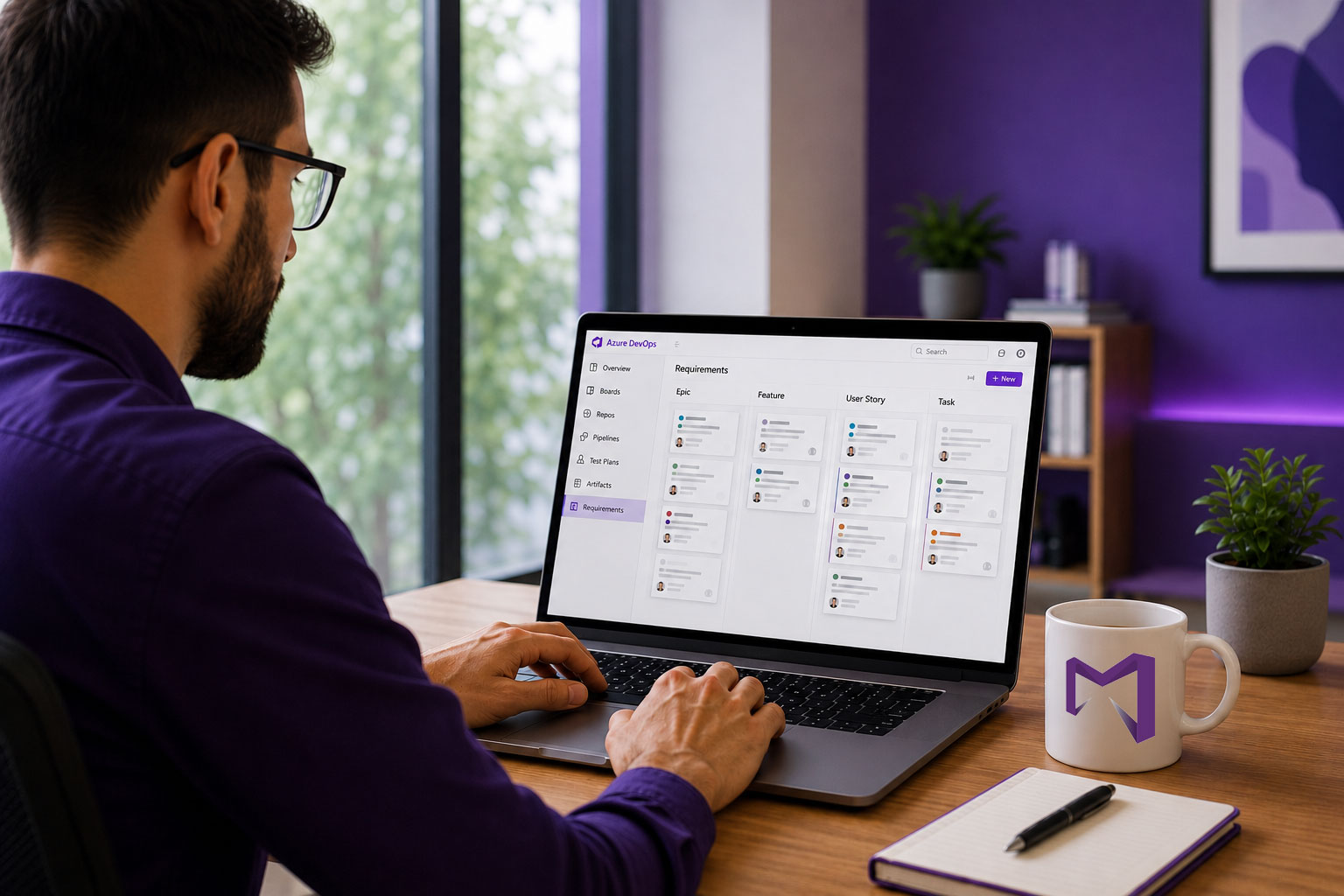
Modern Requirements4DevOps, a requirements management platform within Azure DevOps, is specifically designed to help teams build products that align with regulatory standards. It stores all compliance requirements in a single ADO workspace, so teams can have a single source of truth for managing all compliance requirements.
The automated traceability generation feature of Modern Requirements4DevOps allows teams to map compliance requirements with product requirements. This helps in tracking what rules are followed and what’s missing.
The tool also allows for managing and approving changes with an e-signature. This helps in meeting FDA guidelines during audits.
Other than that, it comes with a built-in AI assistant called Copilot4DevOps, which allows you to draft compliance requirements without missing any, analyze requirements using AI to perform compliance gap analysis, and prepare compliance documents and audit reports directly from existing ADO work items.
In short, compliance testing should not be a separate process during product development, but it should be a part of product lifecycle management, and it is possible by using tools like Modern Requirements4DevOps.