Info-Tech Live 2026
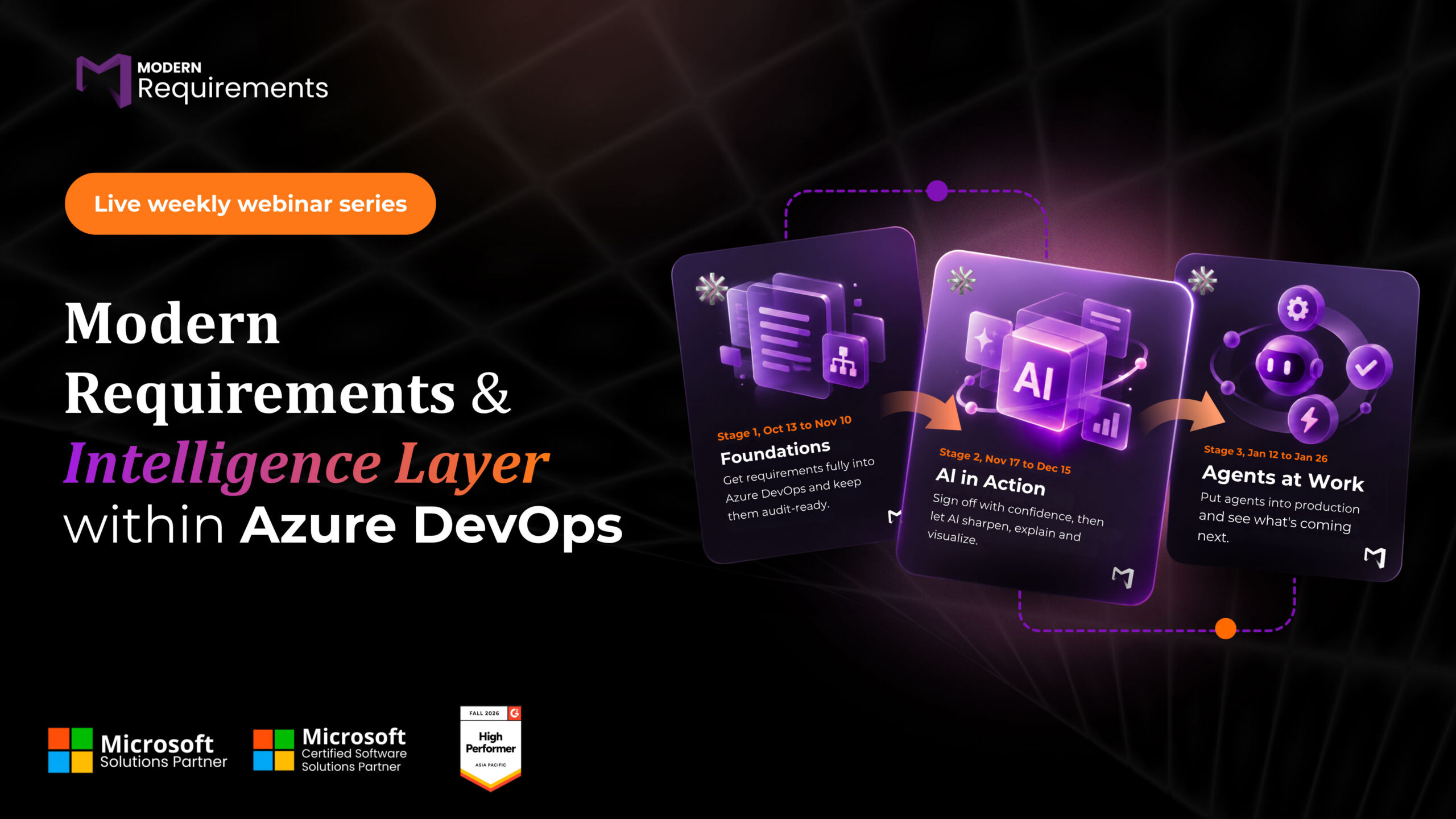
Join Modern Requirements at Info-Tech Live 2026 and witness firsthand...
Energy and utility systems run critical services like the power grid, gas pipeline, and water treatment. These environments rely on OT (Operational Technology) systems where safety is non-negotiable. If any single failure occurs, then it can affect public safety. That’s why compliance is enforced, and the system must be audit-ready at all times.
When compliance gaps exist and OT fails, their impact can be very high. For example, in 2021, hackers accessed control of a Florida water plant and attempted to increase sodium hydroxide (lye) to poisonous levels. Thankfully, this incident was caught, but you can see it exposed how fragile this system can be.
Nowadays, teams have knowledge about compliances such as NERC CIP and IEC 62443, and they also implement these compliances in systems. But when asked, “Can you prove you followed the compliance?”, they struggle. This happens because they don’t have evidence ready.
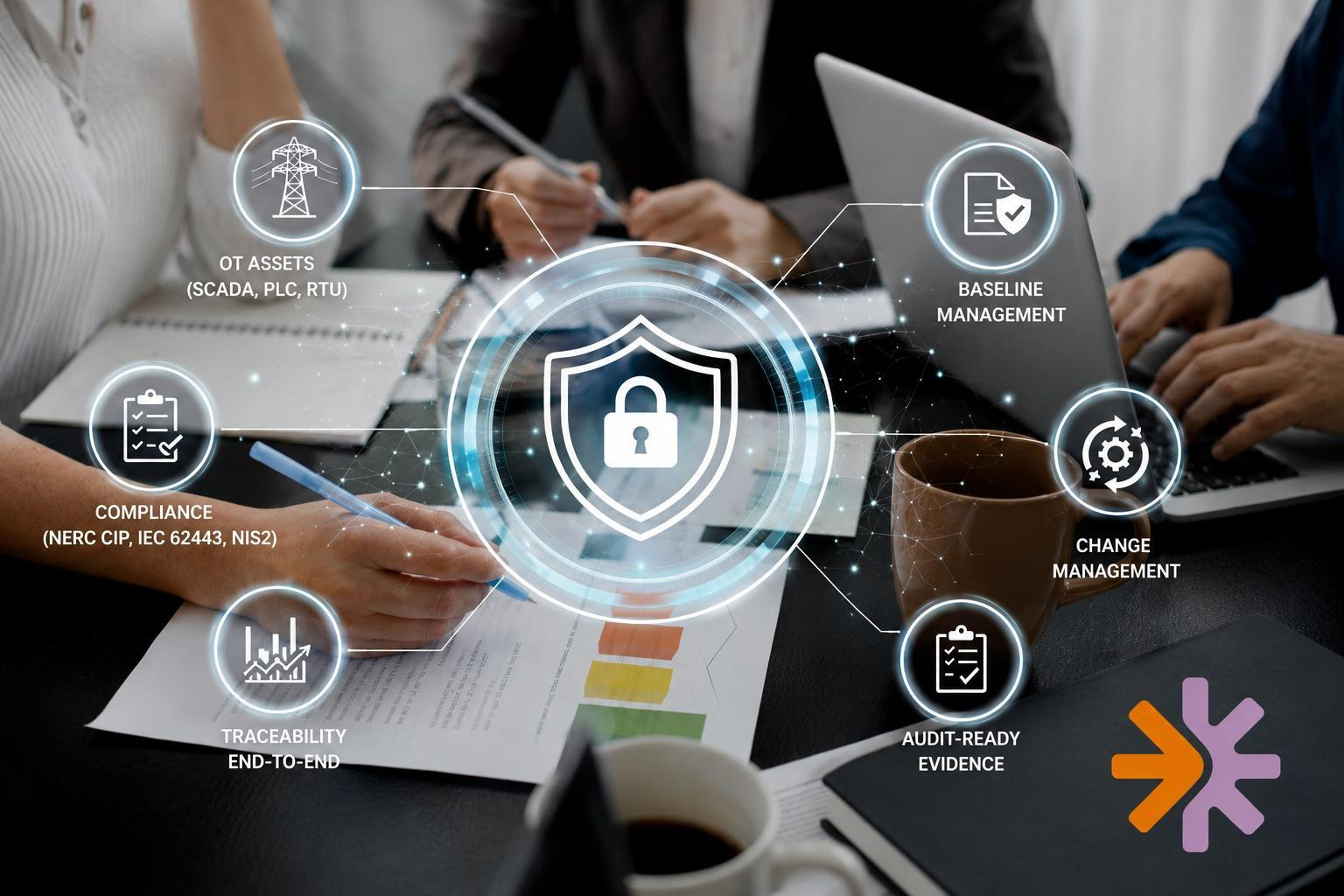
To overcome this, let’s understand how to stay audit-ready at any time by automating traceability, change control, baseline management, and overall compliance monitoring.
First of all, don’t get confused between IT cybersecurity and OT (Operational Technology) cybersecurity. IT cybersecurity is implemented to prevent data breaches. On the other hand, OT security controls grid stability, pipeline pressure, and plant operations in the energy & utility sector, where failure has a direct safety and service impact.
In the energy and utility sector, OT includes:
This is totally changing how security is applied in the energy and utility sector. The update, configuration change, or access control decision in these security systems must be reviewed, tested, and approved with strict operational limits and adherence to compliance standards, such as NERC-CIP, NIS2, etc. Teams must manage end-to-end traceability between operational technology cybersecurity compliance requirements and test cases and track every change against the approved baseline as the system evolves. Without it, teams cannot demonstrate compliance or maintain consistent control across complex OT environments.
Energy teams rarely deal with a single standard. Teams need to enforce multiple international regulatory standards, such as NERC CIP, IEC 62443, NIST SP 800-82, and, in Europe, the NIS2 Directive. So, staying audit-ready means enforcing all these controls in the system development in a controlled way.
Here is how to do that:
Traceability is not optional in OT environments. Frameworks like NIST SP 800-82 expect to implement traceability between compliance obligations, SCADA nodes, or PLCs, requirements, test cases, and evidence. Similarly, IEC 62443 explicitly requires linking requirements with validation results. Also, evidence such as logs or reports must be attached to the requirements. This helps to verify which compliances are implemented and which are missing.
Furthermore, end-to-end traceability must be automated. During regulatory submissions, teams should not be required to manually connect each requirement, test case, and so on, as incomplete traceability is counted as an audit failure.
In the energy and utility sector, NERC CIP-010 requires documented baseline configuration and tracking of every change against that baseline.
To fulfill this, teams must create an automated baseline and take approvals before implementing any requirements. Audit readiness depends on proving that systems are not drifting outside approved configurations.
NIS2 CIP requires implementing proper change management workflows, and NIS2 (for EU operators) requires documenting all changes and risk controls.
This translates into:
In short, change controls must be implemented within the platform where teams are managing requirements and baselines and performing reviews. So, compliance is followed during development.
Other than this, documentation must adhere to the compliance in the OT cybersecurity framework. They must be continuously updated instead of monthly. Logs and proof of every action taken during system development or system maintenance must be kept in records.
When these practices are implemented together, compliance becomes measurable.
Teams can:
This is the shift from “following frameworks” to managing compliance as part of daily OT operations.
Here are some of the challenges they face regularly:
So, these kinds of challenges are generally what energy & utility teams face while staying audit-ready, and these can be solved by automating compliance. In the next section, we are going to learn how to do so.
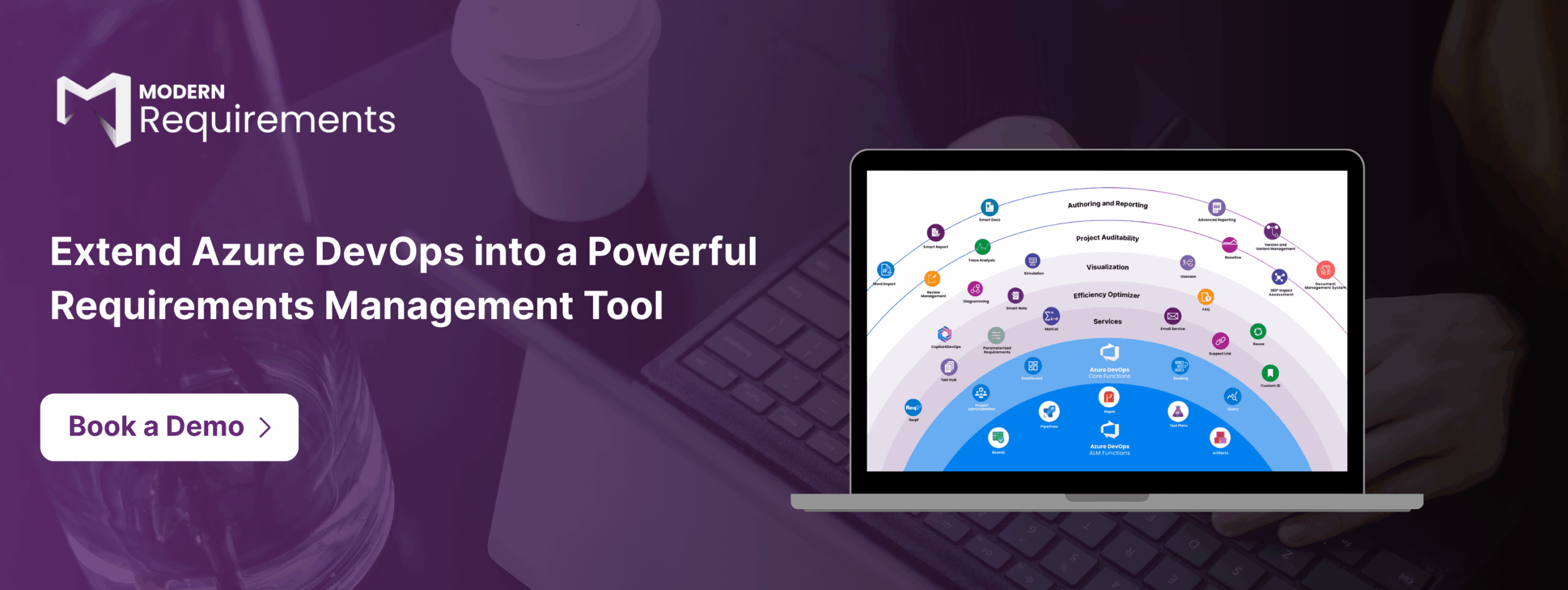
Modern Requirements4DevOps works inside Azure DevOps, which is where most OT change planning, testing, and release activity already happens. It enables teams to manage compliance in the same place, within ADO.
With Modern Requirements4DevOps, teams can create NERC CIP-style baselines and change control. So, whenever a change is proposed, it is linked to that baseline along with approval, test evidence, and impact details. This automatically creates audit records that align with CIP-010 expectations without manually managing them.
With automated end-to-end traceability, teams can directly map assets, controls, test cases, evidence, and logs. This helps in aligning with IEC 62443. This also helps to map single requirements with multiple obligations, such as NERC CIP, IEC 62443, or NIST guidance. Also, when a change is introduced, the impact on related requirements is visible before approval.
Other than that, when any requirement changes, it automatically logs the time stamp, who has changed, and what has changed. Similarly, it allows reviews with e-signatures, so it has logs of who has approved the changes.
With Agent4DevOps, teams can create autonomous AI agents that can automatically monitor compliance gaps when anything updates and alert teams in advance.
Since everything is connected in one system, teams can generate audit evidence directly from live data instead of preparing reports separately.
The NERC CIP requirements management tool helps teams to map assets, manage baselines, track changes, and ensure everything is documented, tested, and audit-ready.
IEC 62443 traceability helps in proving each control is implemented and tested across the life cycle. Backward traceability helps to ensure each obligation is implemented correctly.
NIST SP 800-82 promotes risk-based control mapping, helping teams align requirements with system criticality and operational impact.
✅ Defina, gestione y realice un seguimiento de los requisitos en Azure DevOps
✅ Colabore sin problemas entre equipos regulados
✅ Empiece GRATIS, sin necesidad de tarjeta de crédito
Join Modern Requirements at Info-Tech Live 2026 and witness firsthand...
Learn how to automate FedRAMP SSP and POA&M documentation to...
Learn how to trace, maintain, prioritize, and control requirements throughout...
End-to-end requirements management in Azure DevOps.

AI-powered assistance for DevOps workflows.

Autonomous AI agents for DevOps execution.

Real-time data sync across tools and systems.
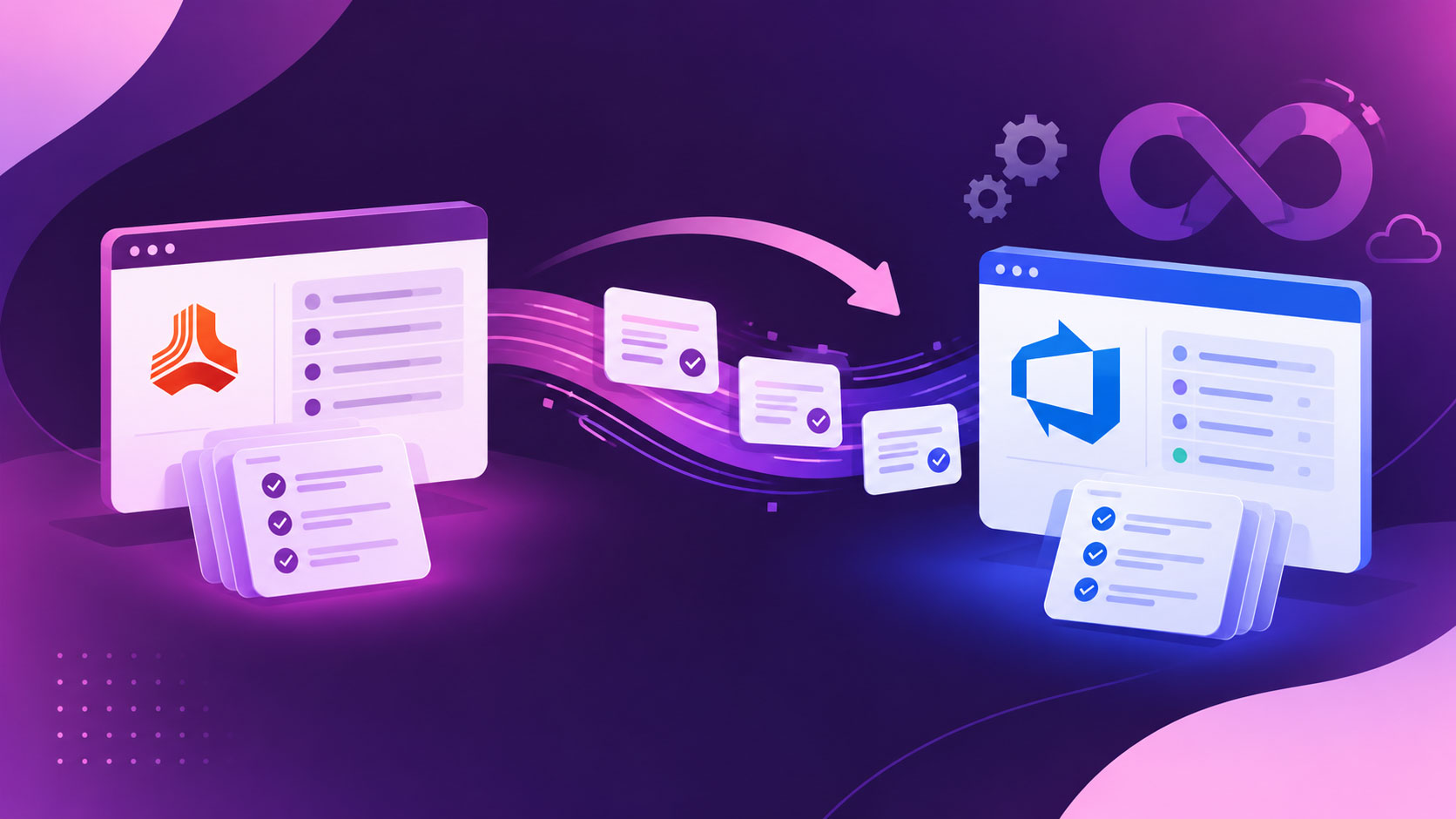
Designed to work natively within Azure DevOps, Modern Requirements extends the platform with powerful capabilities that help teams capture, manage, and validate requirements more effectively.