Requirements Lifecycle Management: How to Keep Requirements Accurate, Controlled, and Traceable
Learn how to trace, maintain, prioritize, and control requirements throughout...
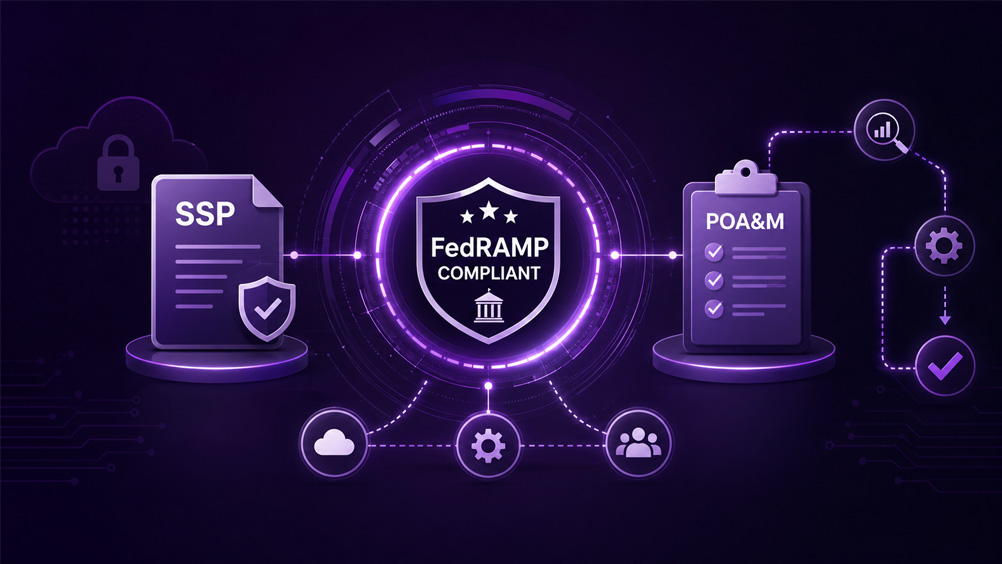
FedRAMP (Federal Risk and Authorization Management Program) is a U.S. government security program that provides guidelines for assessing, authorizing, and continuously monitoring cloud products for security. If any SaaS company wants to sell a software product to U.S. federal agencies must comply with FedRAMP.
The SSP (System Security Plan) and POA&M (Plan of Actions and Milestones) are core artifacts within FEDRAMP. It tracks how security controls are implemented.
The critical concern for many cloud service providers is continuously updating these documents. When a new infrastructure component or configuration changes are introduced, teams need to update them across SSP control statements, POA&M records, remediation tasks, and supporting evidence. But when these updates are tracked manually through spreadsheets and disconnected compliance workflows, it creates audit preparation challenges.
However, by automating SSP updates, POA&M workflows, end-to-end evidence traceability, and change impact analysis, teams can reduce documentation overhead and be audit-ready during the entire authorization lifecycle.
So, let’s understand what SSP and POA&M documentation are and how to automate them.
The SSP (System Security Plan) is the primary security document for the cloud environment, which describes how the cloud system protects data. Generally, it implements security controls defined in NIST 800-53 Rev5. It defines:
It is generally 300 to 500 pages long and, in some cases, 800+ pages long.
On the other hand, the POA&M (Plan of Actions and Milestones) is a live remediation and risk-tracking record. It captures and tracks security gaps identified during 3PAO assessment and vulnerability scans and remediation activities with timelines. For example:
So, these are not static authorization documents that teams can create and leave behind. Instead, FEDRAMP is required to continuously update these documents when any new security controls are implemented, findings are remediated, and new risks are introduced.
Most cloud providers achieve initial ATO authorization to operate from FedRAMP. However, the real struggle starts during ATO maintenance, where teams need to update SSPs and POA&Ms, track vulnerabilities, maintain evidence, perform assessments, and generate reports.
Here are some of the common challenges that teams face while managing SSP and POA&M:
Here is how teams can automate SSP and POA&M documentation automation and can reduce the burden of ATO maintenance:
You don’t need to build this automation system from scratch, but you can use already available FedRAMP POA&M management tools. Let’s see how it works in the next section.
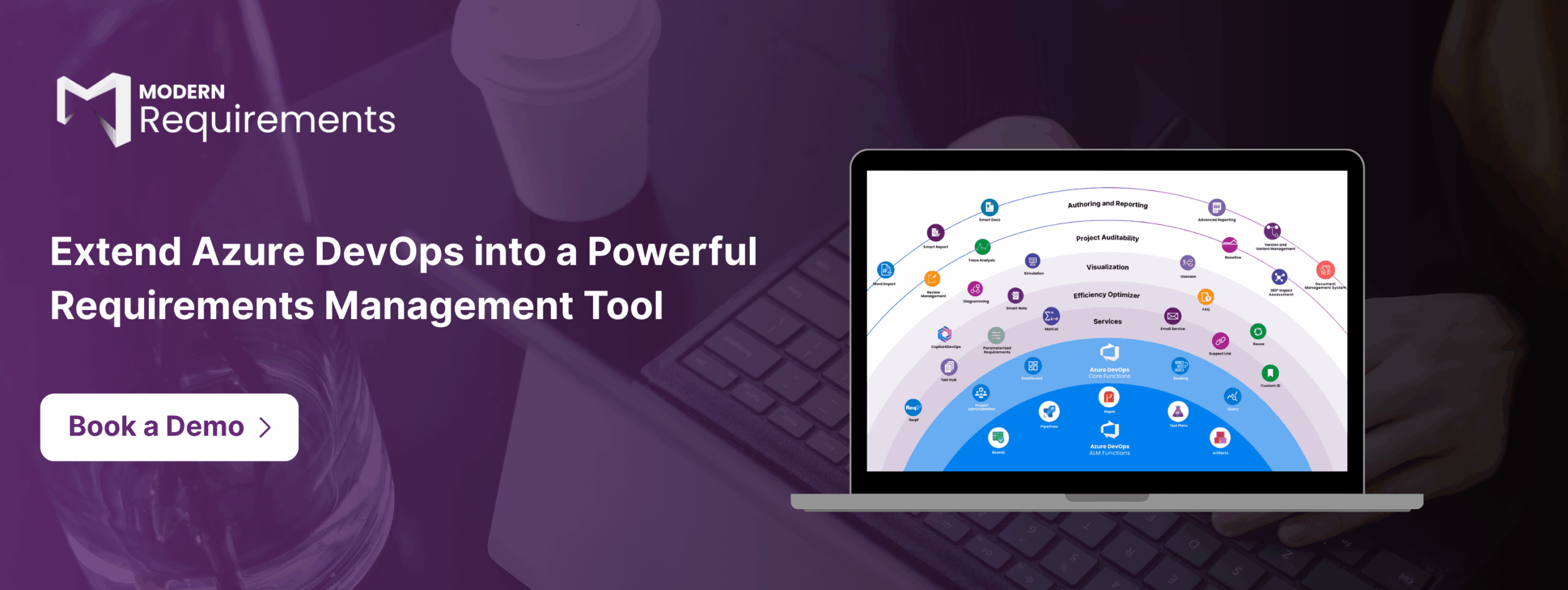
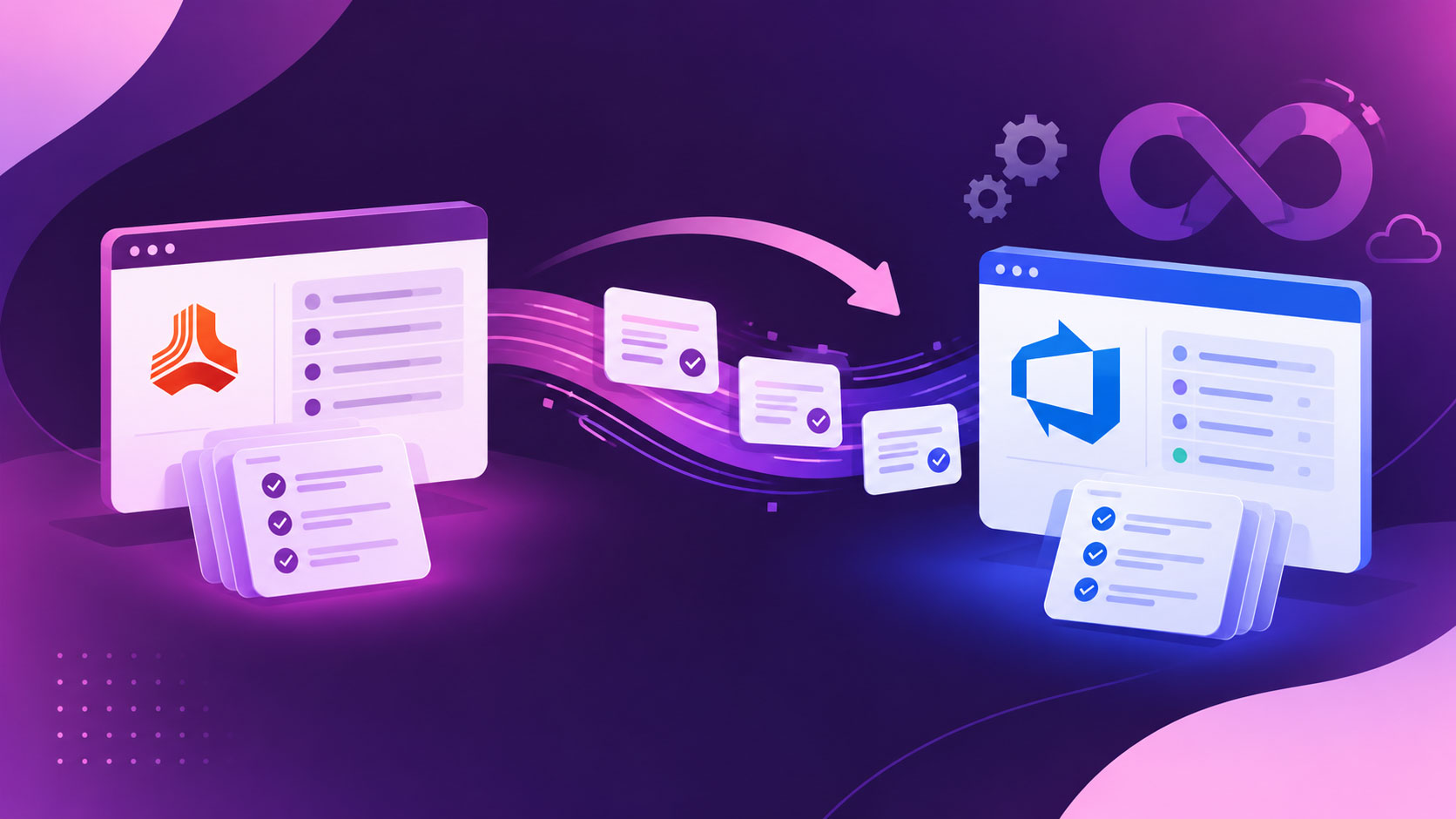
If you are a cloud service provider and struggling to automate FedRAMP SSP and POA&M documentation, Modern Requirements4DevOps can be a one-stop solution for you. It works within Azure DevOps, where you can manage all FedRAMP controls and SSP documentation and use Modern Requirements4DevOps to automate document updation, traceability in the POA&M workflow, change impact, and audit report preparation.
✅ Définir, gérer et tracer les exigences dans Azure DevOps
✅ Collaborez sans effort entre les équipes réglementées
✅ Commencez GRATUITEMENT — pas besoin de carte de crédit
Learn how to trace, maintain, prioritize, and control requirements throughout...
A deep dive into BABOK strategy analysis. Covers current state...
Learn how to write clear, testable requirements that prevent project...
End-to-end requirements management in Azure DevOps.
AI-powered assistance for DevOps workflows.

Autonomous AI agents for DevOps execution.

Real-time data sync across tools and systems.
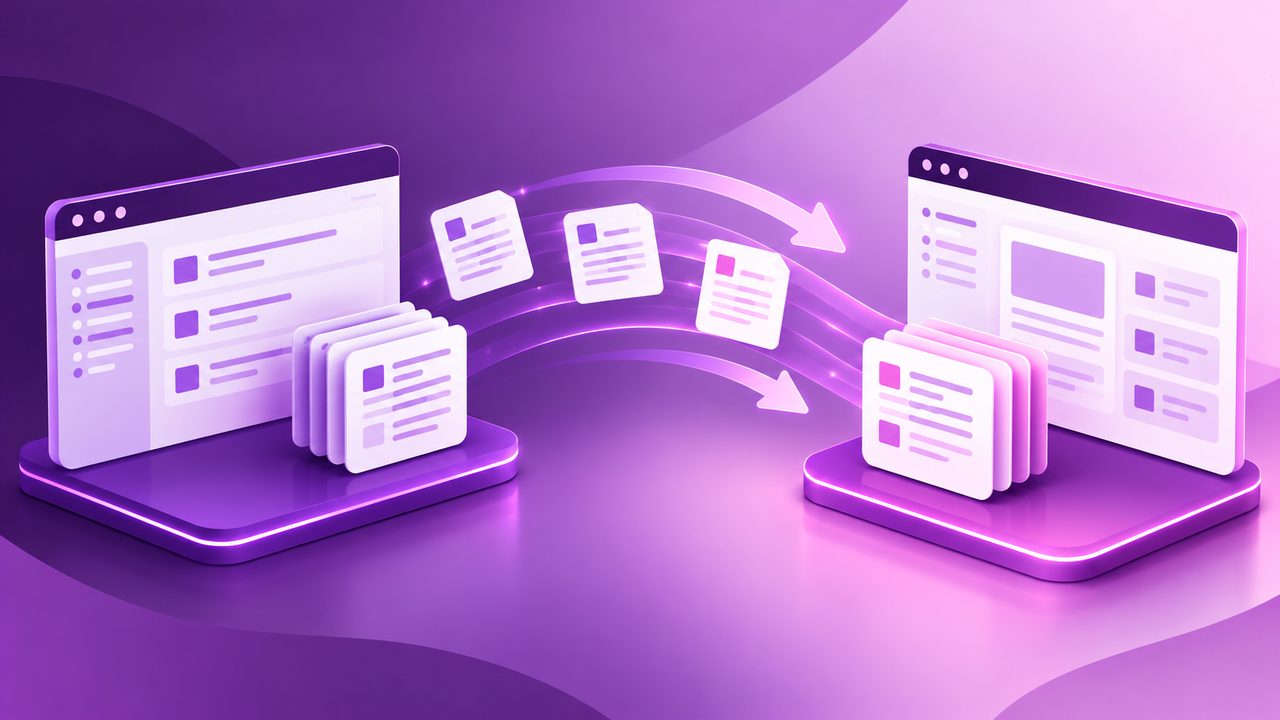
Designed to work natively within Azure DevOps, Modern Requirements extends the platform with powerful capabilities that help teams capture, manage, and validate requirements more effectively.