What is Virtual Prototyping and Why is it Important in Product Development?
Check out this detailed guide to know about virtual prototyping,...
Artificial Intelligence (AI) is no longer a distant dream; it’s now embedded in the core of enterprise systems, reshaping how organizations operate and innovate. From automating manual tasks to enabling autonomous decision-making, the evolution of AI—particularly agentic systems—is poised to revolutionize industries at an unprecedented pace. In this post, we explore insights from Zain Sheerazi, a global leader in AI transformation at Microsoft, and Vanessa Robinson, a strategic thinker at Modern Requirements, as they discuss how AI and agentic models are shaping the future of work—emphasizing trust, governance, and human-AI collaboration.
As Zain highlights, AI systems are transitioning from tools that assist humans into autonomous agents capable of understanding context, making decisions, and executing workflows. This shift has significant implications:
AI tools like GitHub Copilot exemplify how systems now understand intent, write code, and assist developers more meaningfully than ever before.
Rather than replacing humans, AI amplifies their capabilities—handling repetitive tasks while freeing professionals to focus on strategic, high-value work.
Building reliable AI systems involves establishing guardrails, transparency, and a clear understanding of how these systems operate.
Trust is central to enterprise AI adoption. Zain emphasizes that:
Organizations must monitor AI systems to ensure they’re operating within defined parameters—what Microsoft terms “AI Guardrails.”
Especially in regulated industries, it’s vital to have clear audit trails showing how AI systems make decisions.
Maintaining human oversight ensures AI systems support, rather than supplant, human judgment—aligning with ethical standards and fostering confidence.
Action Tip: Develop robust observability dashboards and establish governance frameworks to ensure AI systems operate transparently and ethically.
Technology alone isn’t enough; organizational culture must evolve.
As Vanessa notes, shifting focus from manual, tedious work to high-impact tasks requires a cultural mindset that embraces automation as an enhancer, not a replacer.
Clear strategies and decision-making criteria are essential for success, emphasizing trust, human oversight, and continuous learning.
Starting with high-value, narrow workflows helps build trust and gradually expands AI’s role within the enterprise.
Pro Tip: Foster an environment where teams are trained and aligned on the benefits and safeguards of AI, emphasizing continuous learning and adaptation.
The conversation also delves into how AI is transforming DevOps.
Moving beyond AI assistants like Copilot, systems are heading toward autonomous orchestration, where agents understand dependencies, reason across workflows, and act proactively.
AI’s capability to oversee complex workflows—such as dependency management and release orchestration—dramatically increases efficiency.
Enterprises are leveraging agents to perform end-to-end tasks, facilitating rapid delivery, innovation, and continuous improvement.
Implementation Tip: Start integrating AI agents into your development lifecycle, focusing on workflow automation, observability, and coordination to maximize impact.
While AI offers transformative potential, risks remain.
Microsoft emphasizes ethical standards, risk assessment, and ongoing oversight to prevent harm from AI behaviors.
Establishing decision frameworks, audit trails, and monitoring tools (like Microsoft’s “AI 360”) are critical to maintaining trust.
As AI agents interact and collaborate, safeguarding the integrity and ethical use of these systems becomes even more vital.
Insight: AI governance isn’t a one-time effort but an ongoing process requiring committed oversight and stakeholder involvement.
The evolution of AI points toward increasingly autonomous systems, with agents working collaboratively across workflows and even communicating with each other.
Future AI agents will perform multi-step, end-to-end tasks—like discovering new medicines or managing complex supply chains.
Humans will remain responsible for critical judgment, overseeing AI-driven workflows, and ensuring ethical standards.
The pace of technological change suggests we are living through one of the most significant industrial transformations in human history—one where AI becomes an indispensable partner.
As organizations navigate this transformative landscape, the key lies in strategic adoption, trust, ethical guardrails, and a cultural shift toward viewing AI as a partner in productivity—not a threat. Enterprises that align their systems thinking with human oversight will unlock unprecedented innovation and competitive advantage.Are you ready to harness the power of agentic AI systems? The journey toward autonomous, trustworthy, and highly productive AI-driven workflows has already begun—and those who embrace it will lead the future.
Agentic AI refers to autonomous or semi-autonomous systems capable of understanding context, reasoning, and executing workflows independently, with human oversight.
By implementing observability tools, maintaining transparent decision frameworks, establishing governance policies, and ensuring human-in-the-loop oversight.
AI aims to augment human work by automating manual, repetitive tasks. Critical judgment, creativity, and strategic thinking remain human domains for the foreseeable future.
Begin with high-value, narrow workflows, establish clear governance and guardrails, monitor AI performance continuously, and foster a culture of trust and learning.
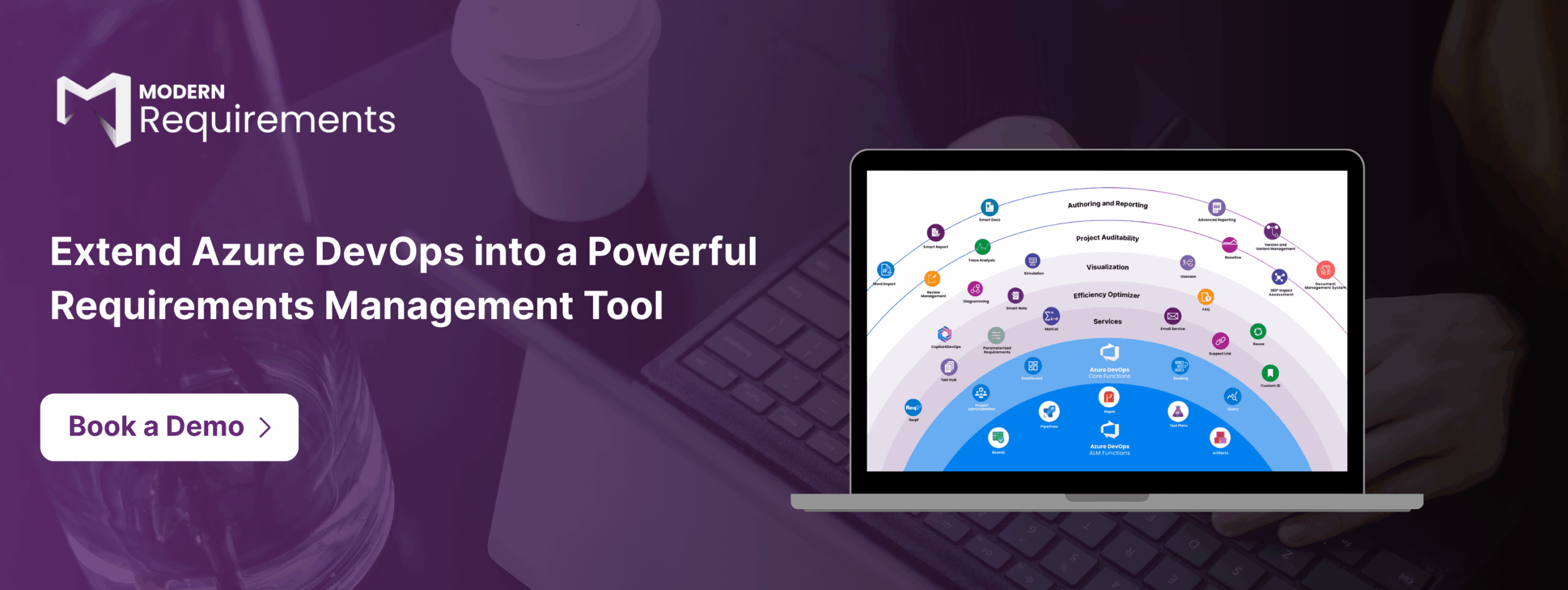
✅ Define, manage, and trace requirements within Azure DevOps
✅ Collaborate seamlessly across regulated teams
✅ Get started for FREE—no credit card required
Check out this detailed guide to know about virtual prototyping,...
Learn more about the importance of SOC 2 compliance, its...
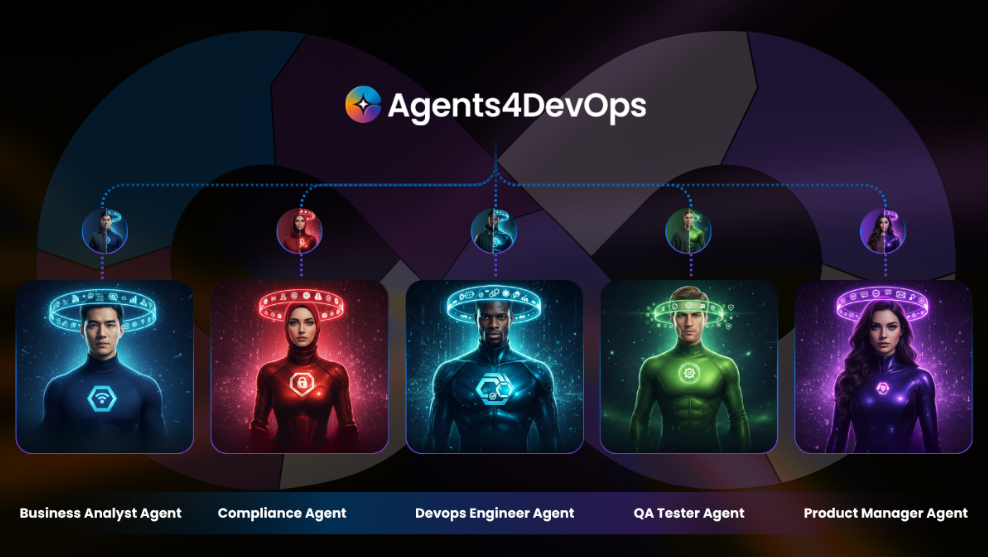
Agents4DevOps puts smart AI agents right into Azure DevOps, letting...