Skip to content

ISO 21434: Managing Automotive Cybersecurity Requirements

Listen to this blog

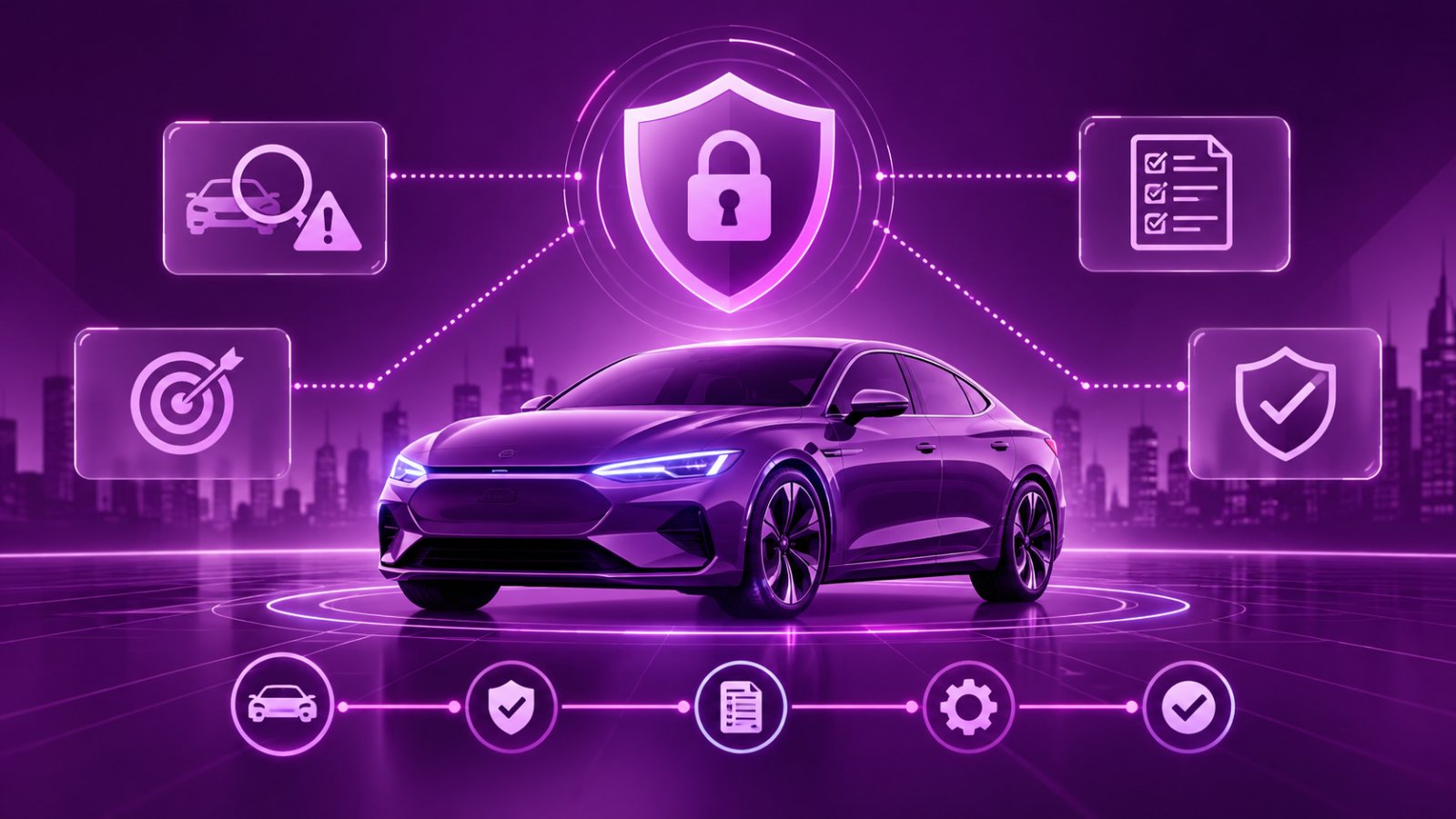
Modern cars are simply computers on wheels having several hundred ECUs interlinked across vehicle systems, sensors, communication interfaces, cloud services, mobile applications, and over-the-air (OTA) update channels. That connectivity creates new ways for attackers to reach vehicle functions and data.

In order to address this issue, the teams follow the ISO/SAE 21434:2021 standard, which describes how organizations determine their cybersecurity risks and design, implement, and assess cybersecurity during the lifecycle of the vehicle. This also helps in complying with UNECE R155 that specifies cybersecurity management and vehicle type approval requirements for the markets that have implemented the regulation.

This guide will help you to comprehend why automotive cybersecurity is essential, some common issues faced while implementing cybersecurity, and how to practically handle the security risks in the automotive domain.

Key Takeaways

What you'll learn in this article

  • What ISO 21434 is: the automotive cybersecurity engineering standard and its seven TARA modules.

  • Why vehicles need engineering rules: connected ECUs, fleet-wide risk, and the role of UNECE R155.

  • The trace chain: how TARA flows to cybersecurity goals, requirements, and verification.

  • Where programs go wrong: poor traceability, siloed teams, supplier handoffs, and late evidence.

  • Managing it in Azure DevOps: bidirectional traceability, baselines, and organized audit evidence.

What Is ISO 21434?

ISO and SAE International issued ISO/SAE 21434:2021. Its title is “Road vehicles Cybersecurity engineering,” and it was released in August 2021. It defines engineering requirements for managing cybersecurity risks in the electrical and electronic systems of road vehicles.

Usually, the standard deals with the management of processes from conception up to product development, manufacturing, operations, maintenance, and decommissioning, as well as cybersecurity management at organizational and project levels within all those stages.

A central method in the standard is Threat Analysis and Risk Assessment (TARA). Clause 15 defines seven TARA modules:

  • Asset identification
  • Threat scenario identification
  • Impact rating
  • Attack path analysis
  • Attack feasibility rating
  • Risk value determination
  • Risk treatment decision

These modules can be applied at different points in the lifecycle, and their outputs become part of the wider cybersecurity work products.

So you can think about it this way:

ISO 21434 = How should we manage automotive cybersecurity?

But not:

ISO 21434 = Which cybersecurity product should we install?

Why Car Cybersecurity Needs Real Engineering Rules

A modern car is no longer a closed mechanical system. It has ECUs, mobile apps, cellular connections, cloud services, Bluetooth, diagnostics, and over-the-air updates. Each connection adds another point that attackers could try to exploit. A weakness in one system can also affect other parts of the vehicle.

The bigger concern is scale. A software flaw in one vehicle may not stay limited to one vehicle. If the same software or ECU is used across thousands of cars, the same weakness can affect an entire fleet. That can turn a technical issue into a safety concern, a costly recall, and a serious business problem.

This is why cybersecurity cannot be treated as a final testing step. Teams need to identify what needs protection, assess how it could be attacked, define cybersecurity goals, and turn those goals into clear requirements. Those requirements then need to be implemented and tested.

The difficult part is keeping all of this connected. When a TARA identifies a serious risk, engineers should be able to trace that risk to the related goal, requirement, test, and evidence. ISO 21434 provides the framework for managing this work, while UNECE R155 has made cybersecurity management part of vehicle type approval in markets where the regulation applies.

The ISO 21434 Trace Chain: TARA to Goals to Requirements to Verification

How TARA (Threat Analysis Risk Assessment) works is quite straightforward; first, identify critical components in the vehicle, secondly, consider ways that a hacker might exploit these components, third, evaluate the potential impact of the attack, fourth, assess the likelihood of the event, and finally, determine how to proceed. The procedure described above feeds directly into all other requirements of the standard as outlined below.

StageWhat It ProducesTraces To
TARA (Clause 15)Assets, threat scenarios, attack paths, and risk valuesRisks that justify cybersecurity goals
Cybersecurity Goals (Clause 9)Top-level security objectives for the itemBack to TARA risks and forward to requirements
Cybersecurity Requirements (Clause 10)Verifiable requirements allocated to the architectureBack to goals and forward to verification
Verification & Validation (Clause 13)Tests and results proving each requirementEach requirement to its evidence
Cybersecurity CaseThe complete argument and supporting evidenceThe full chain in both directions

The key principle is traceability. A cybersecurity risk identified through TARA should connect to a cybersecurity goal, then to specific requirements, and finally to verification tests and evidence.

This link must work in both directions. Teams should be able to trace a test back to the requirement, goal, and risk it addresses, while also tracing each identified risk forward to the requirements and tests that manage it.

For instance, if the risk of unauthorized access to the vehicle’s interface is involved, then it will result in an authentication process and further test if the authentication process succeeds or not. This clear sequence of events helps in finding out what areas are lacking and also gives evidence to the auditors.

Where Cybersecurity Programs Usually Go Wrong

The adoption of the ISO/SAE 21434 standard may be complicated by the fact that cybersecurity activities are distributed among various teams, software, and vendors. The primary issues here will be associated with data linking and synchronization.

  • Poor traceability: The risks, requirements, and testing information stored independently through different means can complicate matters, where maintaining a proper connection becomes an issue.
  • Team coordination gaps: There should be collaboration between cybersecurity, safety, software, and testing departments. Lack of collaboration may lead to failure to notice crucial interdependencies or changes.
  • Safety and cybersecurity teams work separately: Functional safety and cybersecurity can involve different teams and processes. Without shared traceability, a change to one system can make its impact on both safety and security harder to assess.
  • Supplier handoffs create missing links: An OEM may pass cybersecurity requirements to a Tier 1 supplier, which then passes technical requirements to another supplier. If responsibilities and evidence are not clearly linked, important information can get lost between teams.
  • Late evidence collection: Gathering requirements, reviews, and testing evidence can only occur prior to an audit, which might lead to incomplete and inconsistent information. It is much better to maintain evidence since the start of development.

Common to both is the problem of maintaining linkage between risk, requirement, test, and evidence over the lifecycle of the vehicle.

Managing ISO 21434 Requirements in Azure DevOps

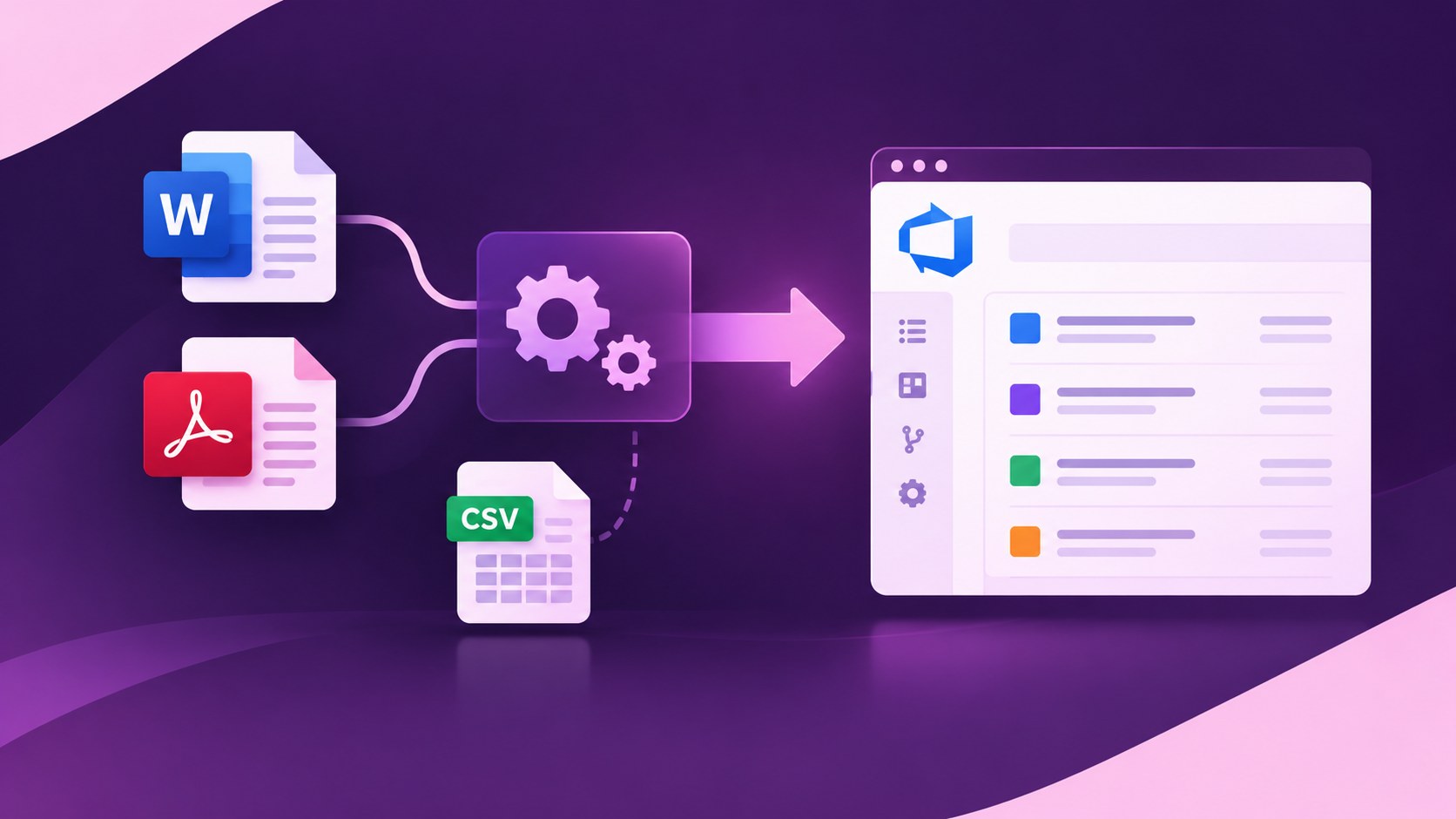
ISO/SAE 21434 requires the tracing of cybersecurity threats, objectives, requirements, and validation. For teams working inside Azure DevOps, requirements management tools like Modern Requirements4DevOps help to build a single source of truth for creating all development and cybersecurity-related requirements and ensure traceability in the same place.

  • End-to-end traceability to manage ISO 21434 clauses: Modern Requirements4DevOps offers bidirectional traceability, where teams can track how ISO 21434 requirements are connected with test cases and whether they are actually implemented. Also, whenever any problem occurs, teams can track backwards to find the root cause of the issues.
  • Manage approved versions: Baselines can help the project team to freeze approved cybersecurity requirements that align with ISO 21434 and pass them to development teams. So, in the future, requirements don’t drift from what was originally approved
  • Keep audit evidence organized in Azure DevOps: All baseline reports, review reports, traceability reports, etc., can be managed or saved within Azure DevOps or exported if you want to pass them to the external team. Evidence is managed throughout the project, and teams don’t need to collect it manually.

Such characteristics can be utilized by automotive engineering teams when executing the ISO 21434 cybersecurity engineering process. If you want to learn more about how Modern Requirements can help you with automotive requirements management, please visit automotive requirements management.

Want to simplify ISO 21434 requirements management? Start a 30-day free trial of Modern Requirements4DevOps.

Frequently Asked Questions

Is ISO 21434 certification required by law?

Since ISO 21434 is a voluntary industry standard, it is effectively required by law with UNECE R155 for the ISO 21434- based implementation and certification of CSMS.

What is the difference between ISO 21434 and R155?

ISO 21434 is the information security standard for the automotive industry that will help you meet the compliance requirements defined by R155.

What are the 42 work products?

These work products include the TARA report, cybersecurity requirements, test results, and cybersecurity case, which document the cybersecurity activities performed.

How is TARA different from HARA?

HARA is the analysis of safety risk because of failures and accidents, while TARA is the risk analysis of cybersecurity due to attacks.

Does ISO 21434 apply to older car models?

It applies only to systems developed after August 2021. Moreover, it could be applied to other needs associated with cybersecurity regarding new or revised automobiles.

Recent Articles

Modern Requirements logo mark