Compliance Testing – What Is It, and Why Does It Matter?
Check out Agents4DevOps - A custom tool that builds agents...
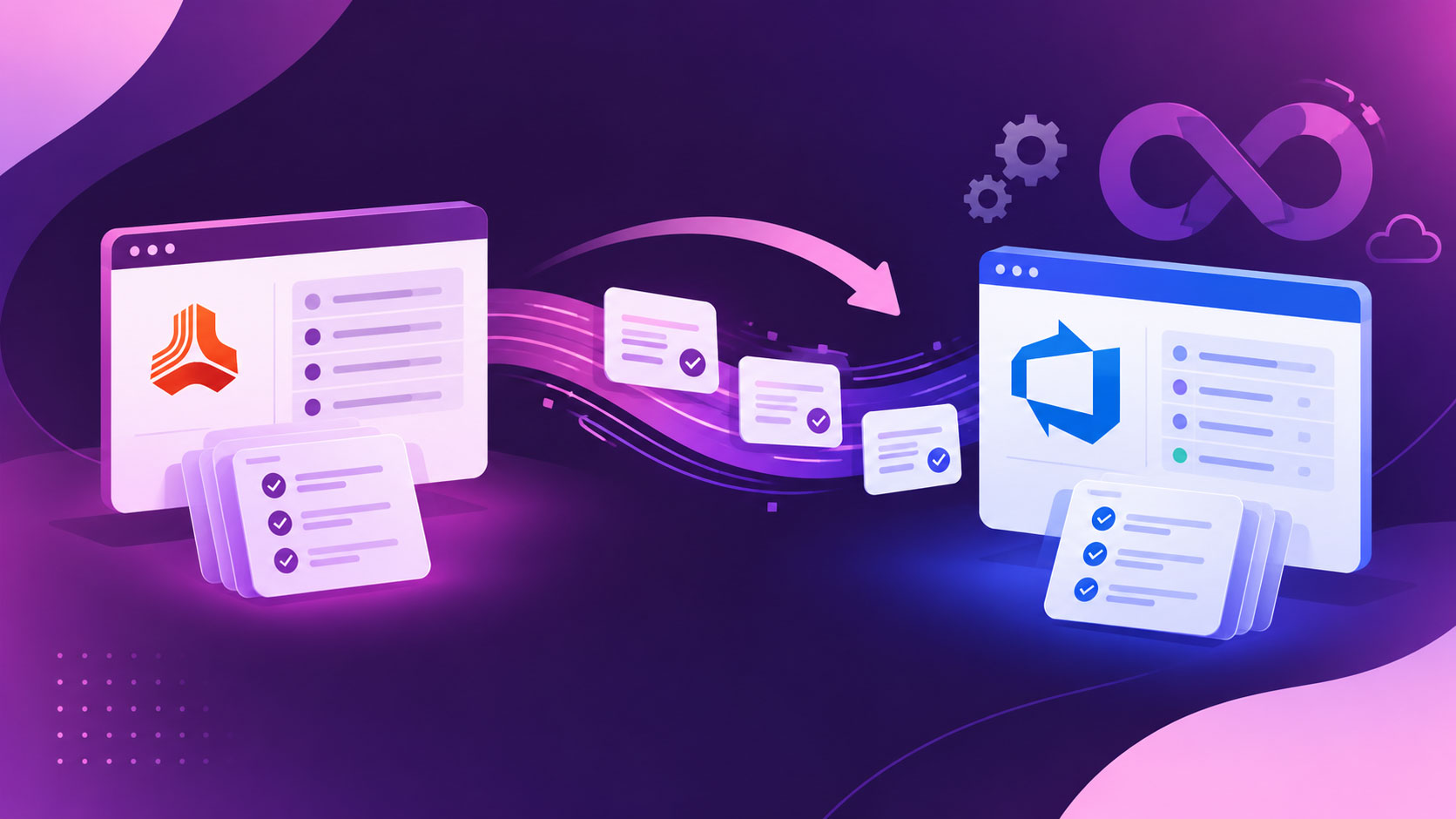
Azure DevOps integration is the process of connecting Azure DevOps with other software tools to expand its abilities and streamline software development. When selecting third-party tools for their software development processes, they usually have two choices: those that use native integration vs those that use software connectors.
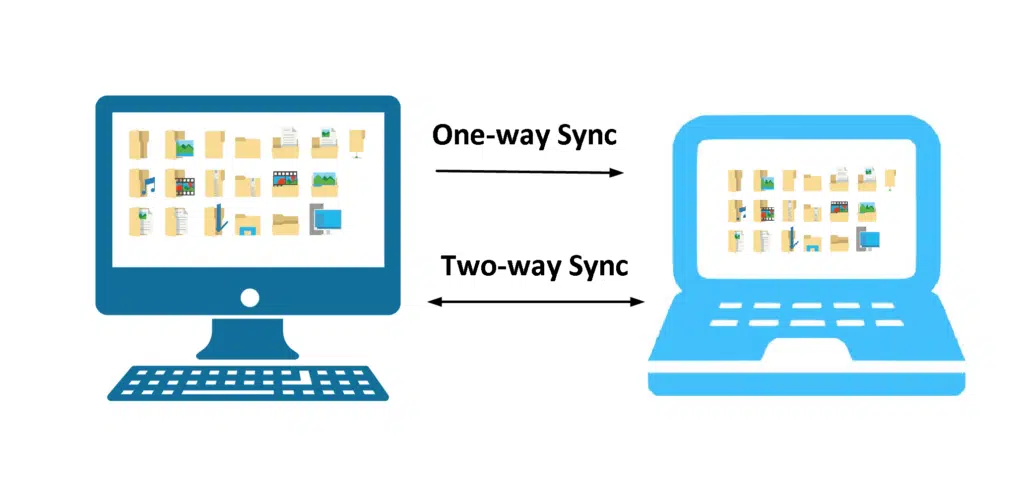
Software connectors are tools that facilitate communication and data transfer between different software applications. A survey of large enterprises showed that companies use an average of 976 applications, of which only 28% are integrated. Different kinds of software connectors include procedure calls, events, shared databases, message queues, web services or REST APIs, streams, adaptors, and arbitrators.
For DevOps tools like Azure DevOps, connectors aim to integrate third-party tools with Microsoft’s development platform.
While connectors are a popular way to bridge gaps between different systems, they also bring hidden costs and challenges that organizations often overlook. This blog explores the many benefits of solutions with native Azure DevOps integration vs those that use software connectors, using requirements management tools as an example.
While they promise seamless integration into company workflows, software connectors can often impact project efficiency and overall costs for a few reasons:
A survey of large enterprises showed that companies use an average of 976 applications, of which only 28% are integrated. This can create information gaps between systems, leading to misaligned goals, miscommunication, and increased costs.
3. Downtime risks and project disruptions: Reliance on third-party connectors introduces an additional point of failure in the development pipeline. When connectors experience downtime or synchronization issues, it can bring entire projects to a halt, causing delays and frustration among team members.
4. Dual management and increased workload: Using connectors often requires teams to manage two separate interfaces – the native Azure DevOps environment and the connected third-party tool. This increases cognitive load on users, creates errors and can decrease productivity
This workload can increase even more as your organization scales, since software connectors can’t always handle increased data volumes and user demands. That is why a DevOps solution natively integrated into Azure DevOps is better suited for your organization rather than competing solutions.
5. Security vulnerabilities: Integrating external tools through connectors can create potential security weak points. Data transferred between systems may be exposed to risks during transmission, and the connector itself could be a target for malicious actors.
So rather than turning to out-of-the-box solutions, a tool that is natively integrated into Azure DevOps adopts all its security measures like MFA, branch protection, access control, secret management, and auditing for security.
6. Hidden costs: Beyond the initial implementation, connectors often incur ongoing costs for licensing, maintenance, and potential downtime. These expenses can quickly accumulate and impact the overall project budget.
By opting for natively integrated solutions like Modern Requirements4DevOps, organizations can avoid many of these pitfalls, streamline their development processes, and reduce hidden costs.
Modern Requirements’ native integration with Azure DevOps offers a superior approach to requirements management, setting it apart from other solutions like Jama, DOORS, Helix RM, and Visure. By becoming a single source of truth within Azure DevOps, Modern Requirements4DevOps provides a solution that addresses the challenges posed by third-party software connectors discussed above.
Modern Requirements4DevOps is a best-in-class requirements management system for DevOps professionals. It offers tools like Smart Docs in-app documents, diagrams for visualizing requirements, comprehensive traceability, AI requirements management tool Copilot4DevOps, and more.
It is also fully embedded into the Azure DevOps interface, inheriting its process templates, security features and updates, and data storage abilities. Its native integration gives it several advantages over rival solutions:
The elimination of complex setups, synchronization issues, and the need for multiple interfaces enhances productivity and creates an efficient development lifecycle. As businesses seek to optimize their software development processes, exploring Modern Requirements4DevOps native solution presents a compelling opportunity to overcome the hidden costs and challenges associated with traditional software connectors.
✅ Define, manage, and trace requirements within Azure DevOps
✅ Collaborate seamlessly across regulated teams
✅ Get started for FREE—no credit card required
Check out Agents4DevOps - A custom tool that builds agents...
Learn to build a fully functional, secure project management app...
Check out Agents4DevOps - A custom tool that builds agents...