A user story is a short description of a feature from the user’s point of view. See the format, examples, and how stories differ from use cases.
Continue reading
A user story is a short description of a feature from the user’s point of view. See the format, examples, and how stories differ from use cases.
Continue reading
Acceptance criteria are the testable conditions a user story must meet to be done. Definition, examples, and how they differ from the definition of done.
Continue reading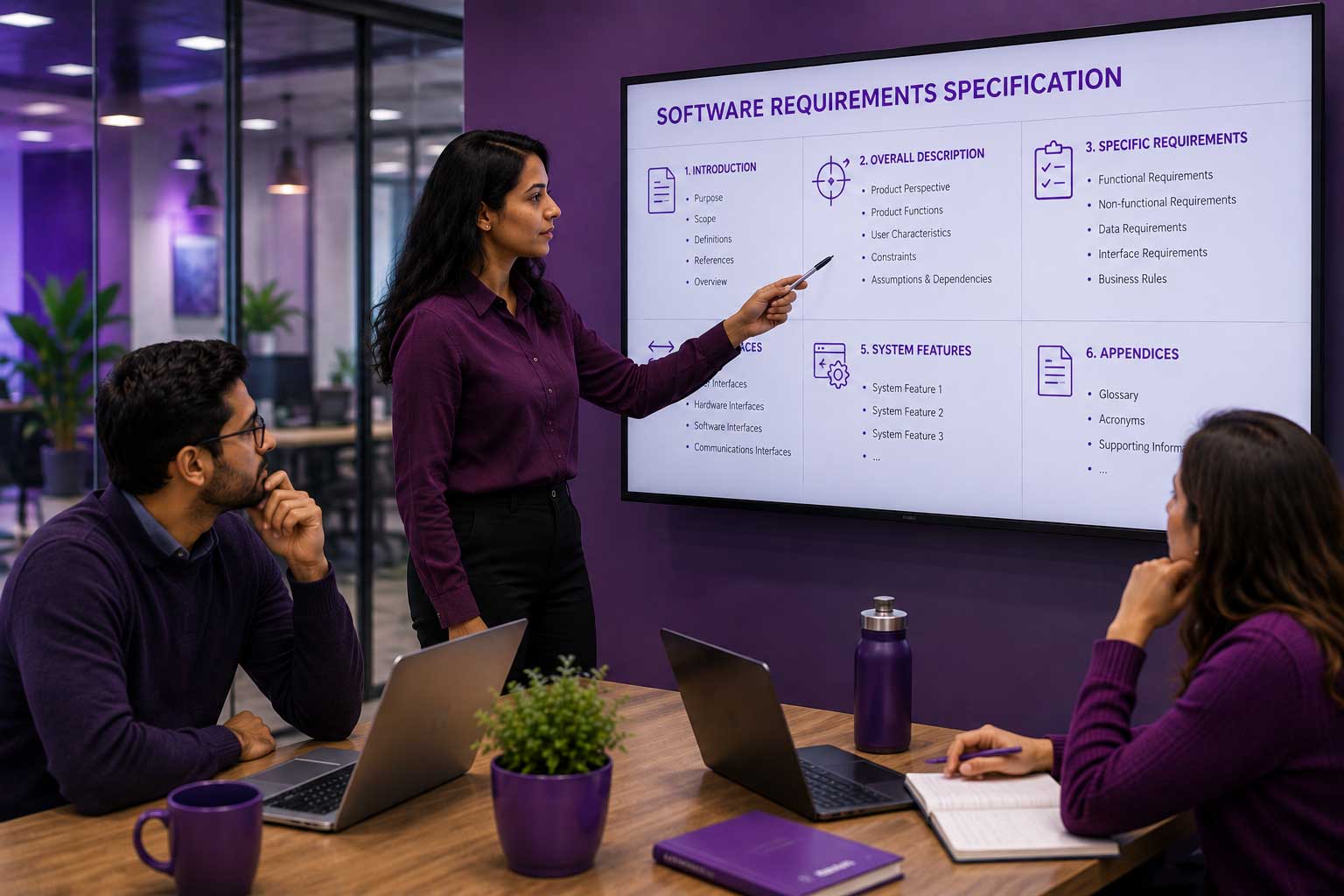
A software requirements specification (SRS) documents what a system must do and its constraints in one agreed reference. Definition, contents, and examples.
Continue reading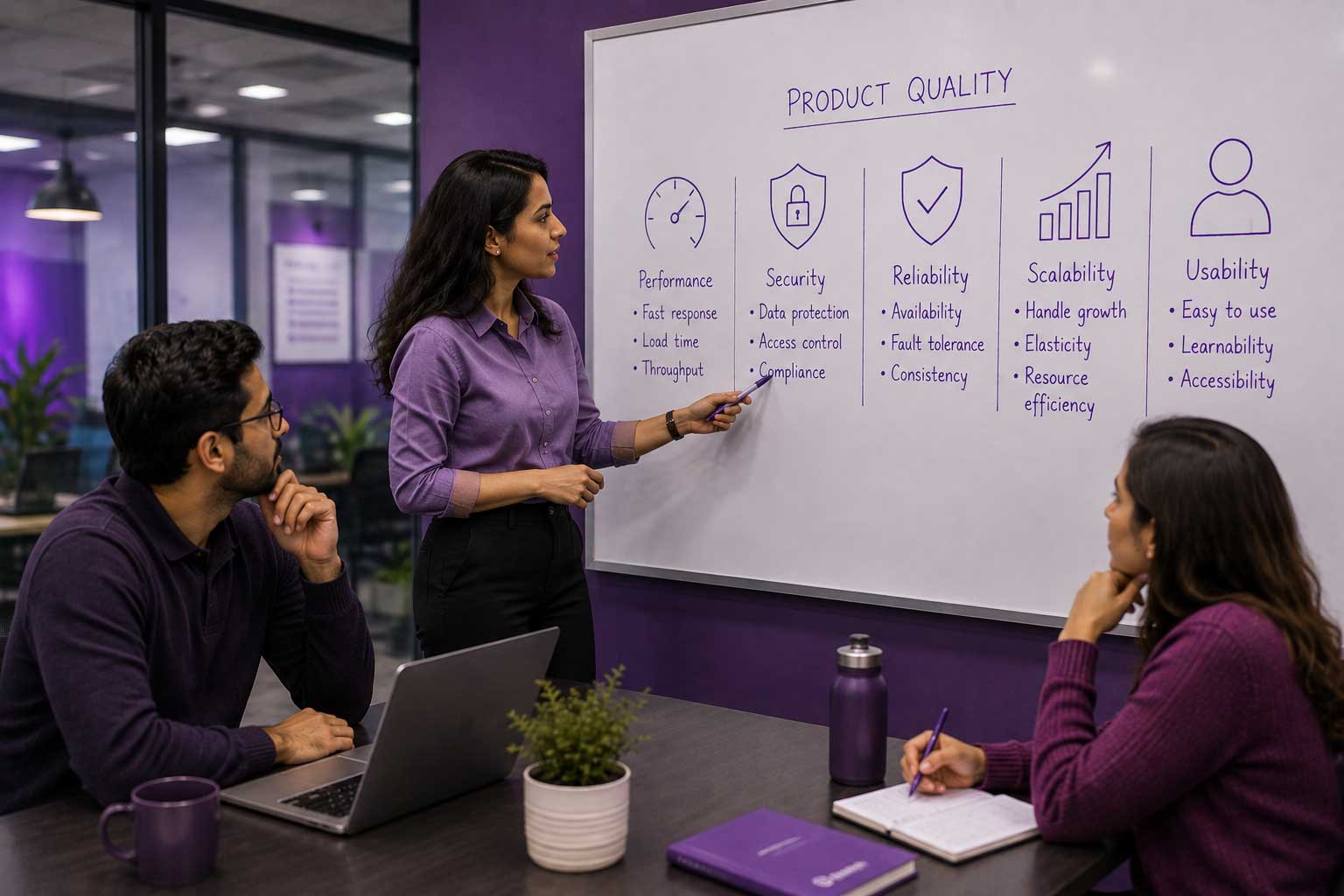
Non-functional requirements define how well a system must perform, covering speed, security, and reliability. Definition, examples, and why they matter.
Continue reading
Functional requirements define what a product must do, its features and behaviors. A clear definition, examples, and how they differ from non-functional ones.
Continue reading
A requirements traceability matrix (RTM) maps requirements to the tests and design that verify them, exposing coverage gaps. Definition, example, and FAQs.
Continue reading
Requirements traceability links each requirement to its source, design, and tests so teams can trace changes and prove coverage. Definition, example, and FAQs.
Continue reading
Requirements management is how teams document, organize, and trace a product’s requirements across its lifecycle. Learn what it means, with examples and FAQs.
Continue reading
End-to-end requirements management in Azure DevOps.

AI-powered assistance for DevOps workflows.

Autonomous AI agents for DevOps execution.

Compliance management, built into Azure DevOps.

Real-time data sync across tools and systems.