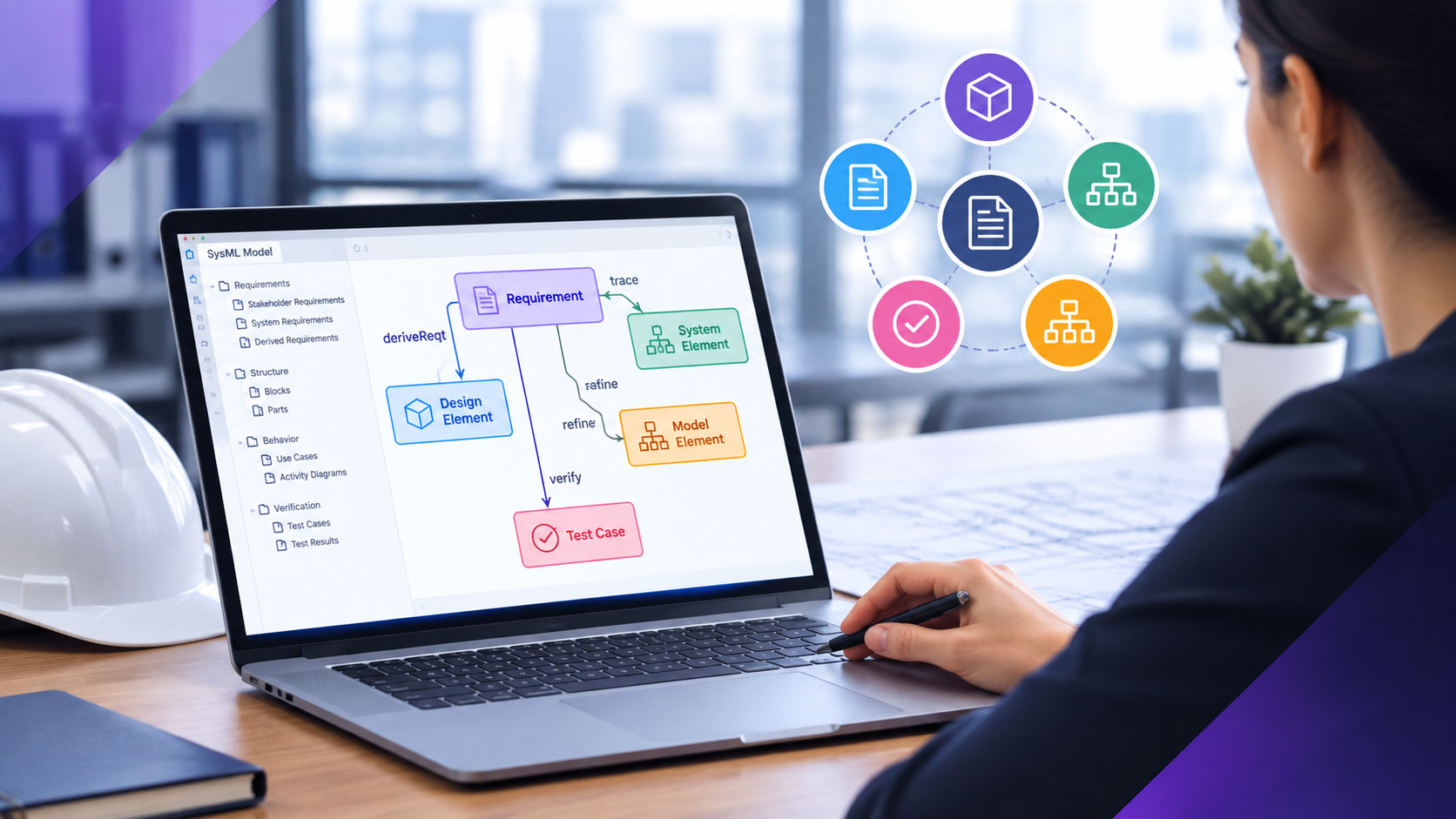
Learn how SysML links requirements to design and verification through satisfy, derive, verify, refine, and trace relationships — and what SysML v2 changes.
Continue reading
Learn how SysML links requirements to design and verification through satisfy, derive, verify, refine, and trace relationships — and what SysML v2 changes.
Continue reading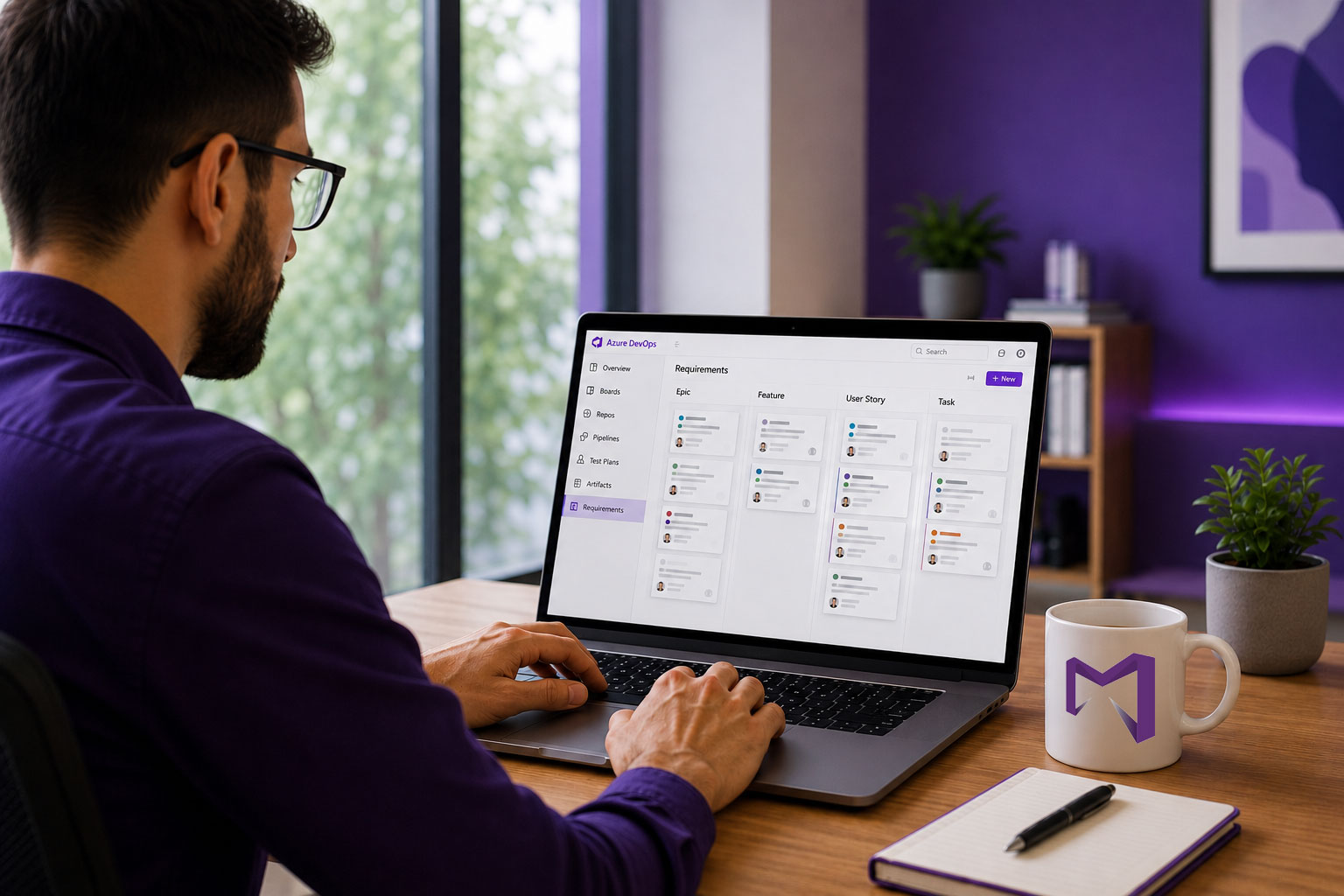
Manage and organize software requirements efficiently with Azure DevOps and Modern Requirements, enabling better collaboration, traceability, and delivery.
Continue reading
ISO 24089 governs automotive software update engineering and supports UNECE R156. See what it requires and how to keep every update traceable to RXSWIN and evidence.
Continue reading
Verification checks a product against its requirements; validation checks it against real user needs. The V&V difference explained, with an example.
Continue reading
A use case describes how a user interacts with a system to reach a goal, including alternate paths. Definition, structure, and how it differs from a user story.
Continue reading
Traceability in Azure DevOps links work items to code and tests so teams can follow requirements to delivery. How it works, and where native limits sit.
Continue reading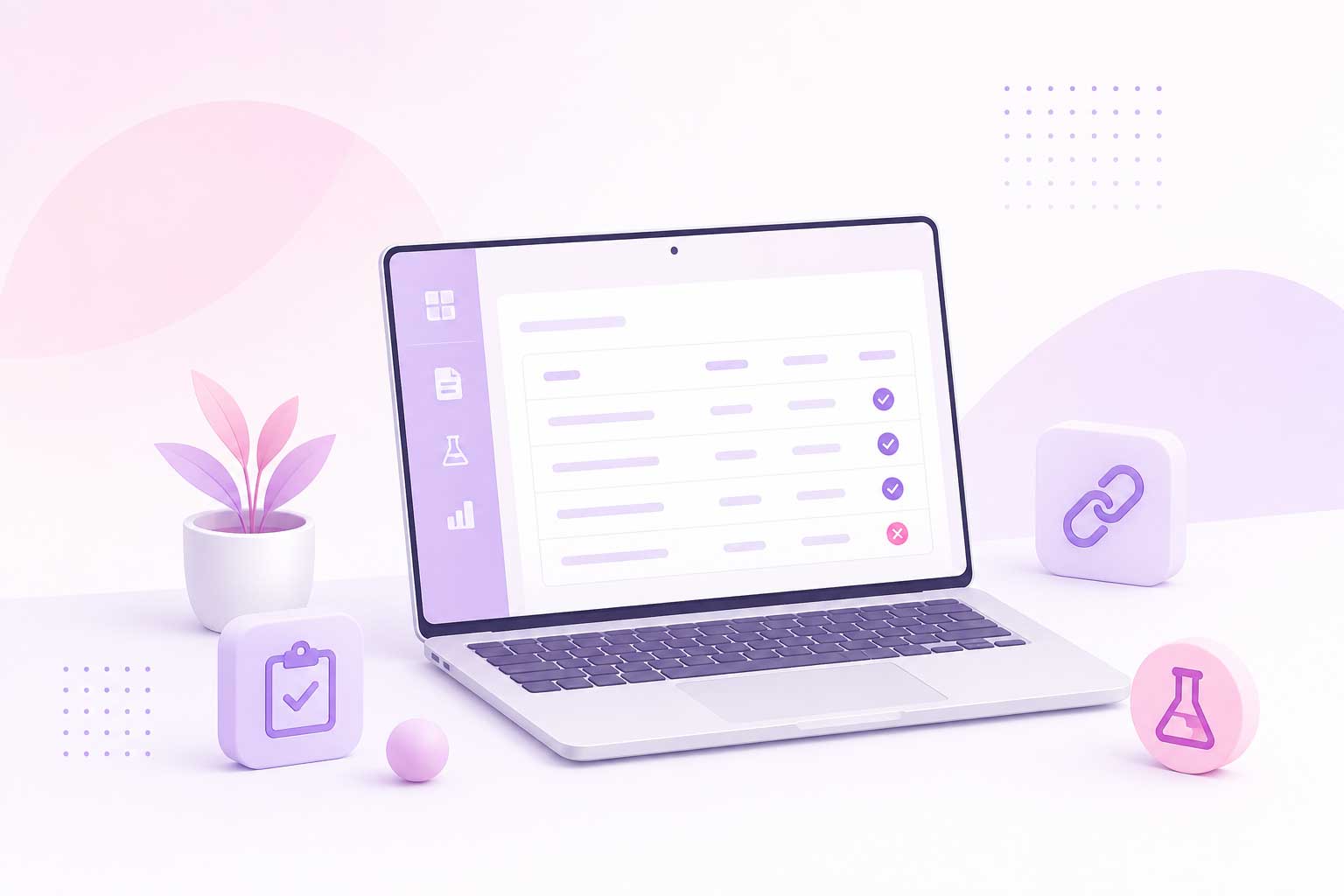
Test case management in Azure DevOps uses Azure Test Plans to create, run, and link test cases to requirements. How it works and how it supports coverage.
Continue reading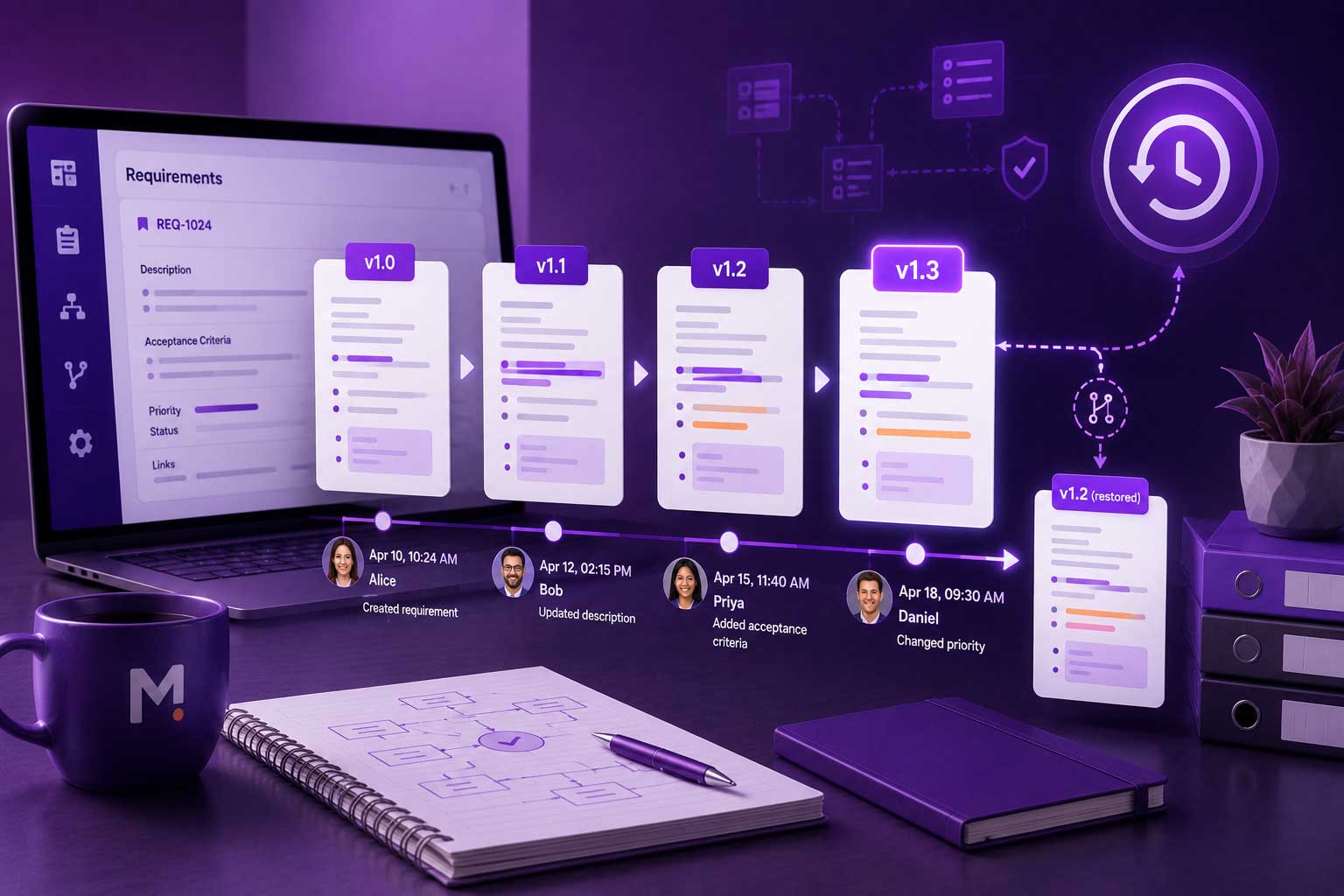
Requirements versioning tracks how requirements change over time, with a full history of what changed and when. Definition, example, and how it differs from baselining.
Continue reading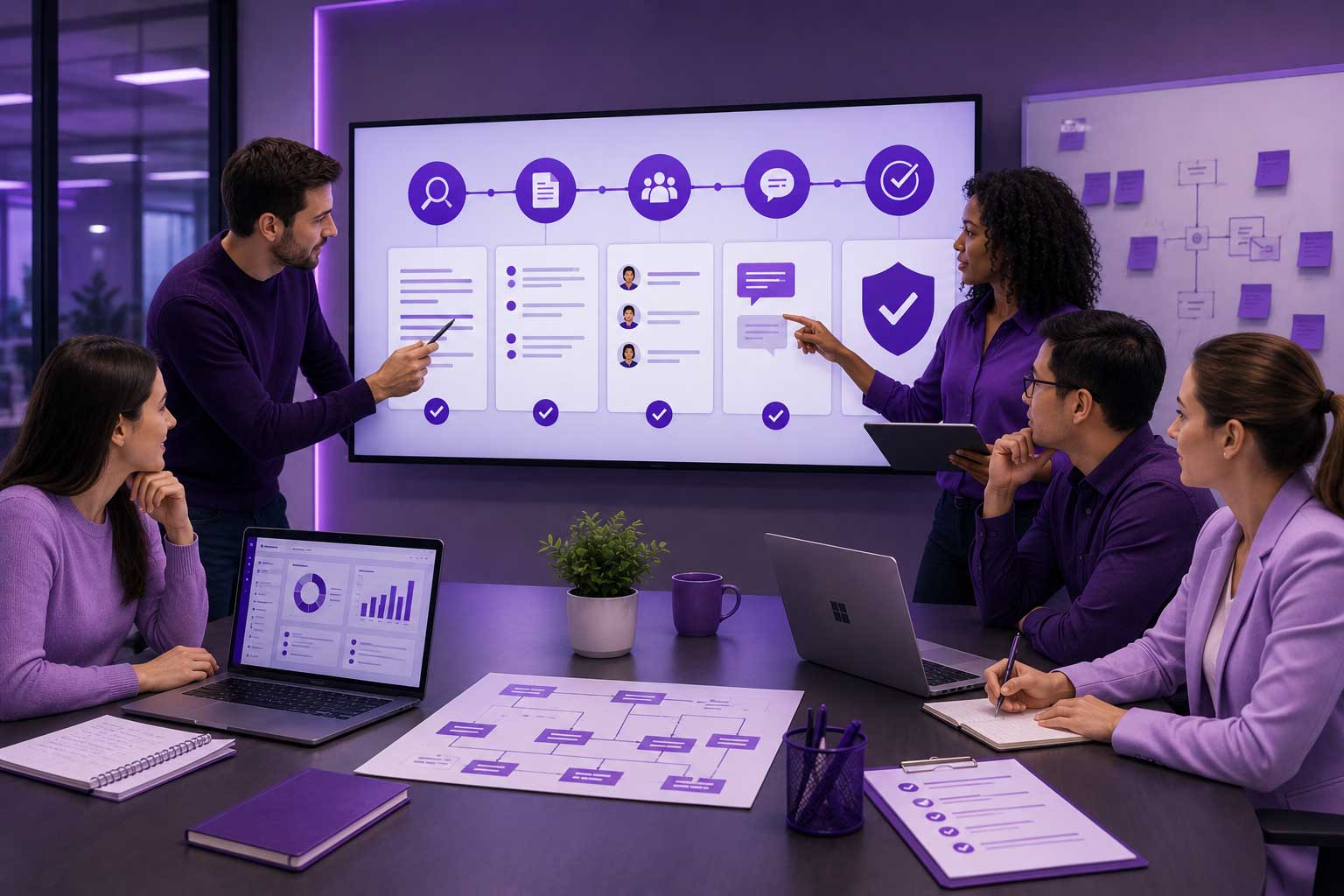
A requirements review is a structured check that requirements are clear, complete, and agreed before build. What it checks, who is involved, and why it matters.
Continue reading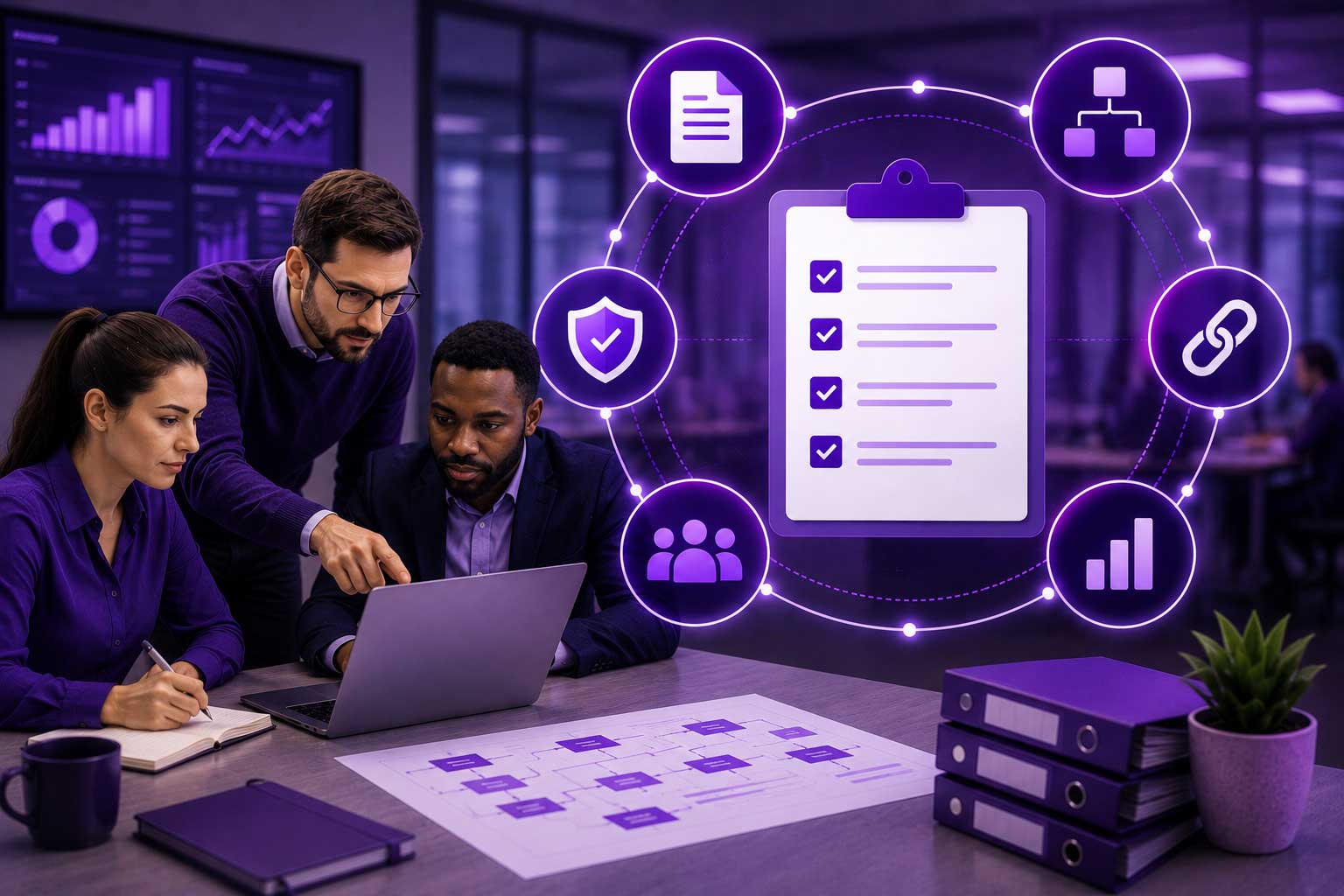
A requirements management plan defines how a project will capture, track, change, and trace requirements, and who owns each part. What it includes and when to use one.
Continue reading
End-to-end requirements management in Azure DevOps.
AI-powered assistance for DevOps workflows.

Autonomous AI agents for DevOps execution.

Compliance management, built into Azure DevOps.
Real-time data sync across tools and systems.