The Requirements Traceability Matrix (RTM) is a planning tool to help ensure that a project’s scope, requirements, and deliverables remain “as is” when compared to the baseline.
Continue reading
The Requirements Traceability Matrix (RTM) is a planning tool to help ensure that a project’s scope, requirements, and deliverables remain “as is” when compared to the baseline.
Continue reading
With Modern Requirements, users can take a Microsoft Word or Visio approach to textual and visual requirements authoring.
Continue reading
More than ever before, medical device manufacturers are hard-pressed to deliver products that enable faster, cost-effective and more efficient patient care.
Continue reading
Millions of users across the biggest organizations worldwide rely on the capabilities of Microsoft’s Azure DevOps Server (TFS) every day to define and deliver their products to market.
Continue reading
We traditionally approach Documents, Diagrams and Mockups as a means to draw requirements out – we use them as an elicitation tool.
Continue reading
Requirements management for medical devices is arguably more important in the medical devices industry than in any other space
Continue reading
Our team is incredibly pleased to announce that our flagship product, Modern Requirements4TFS, has been rebranded to Modern Requirements4DevOps!
Continue reading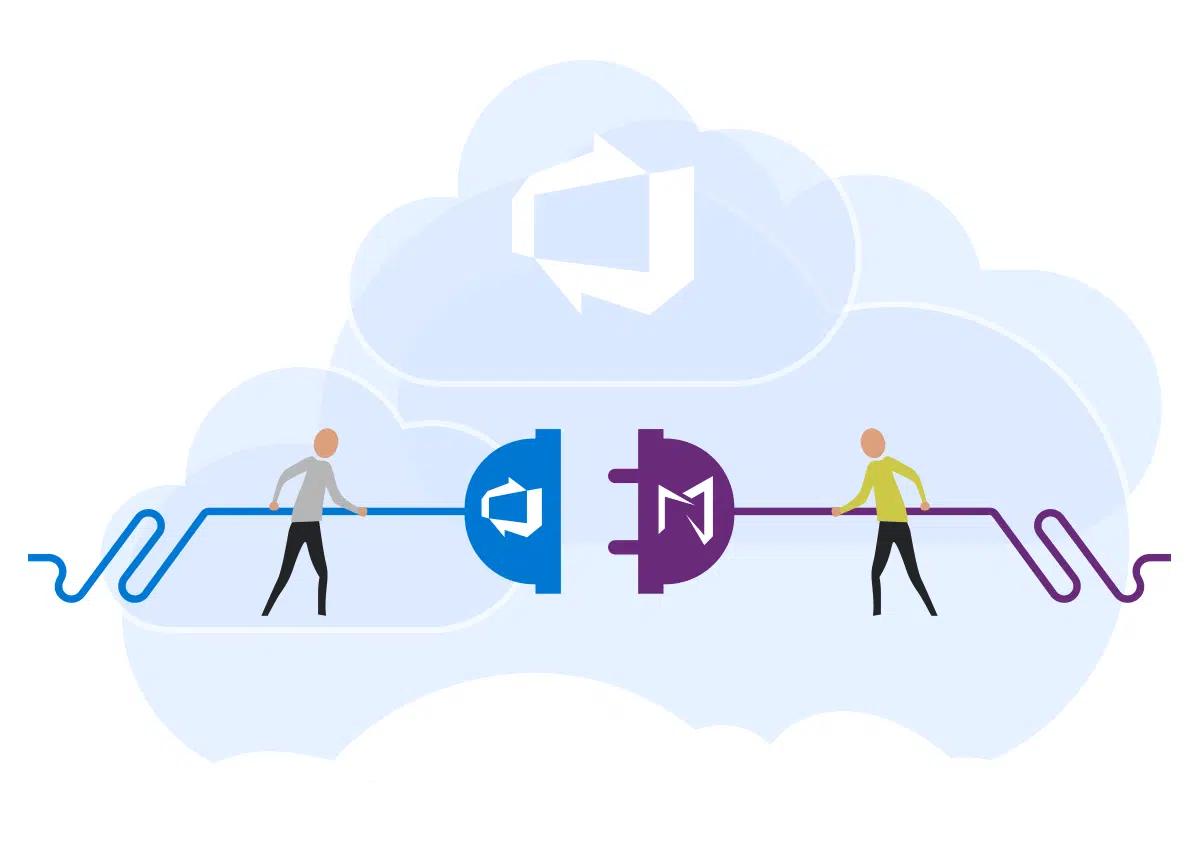
Seamlessly integrated, Modern Requirements extends the platform to include a full-featured set of professional requirements management tools.
Continue reading
Modern Requirements4DevOps (aka MR4TFS) uses Microsoft Azure DevOps Server (previously known as Azure DevOps Server)
Continue reading
If you work in an agile environment, you probably hear terms like “user story” and “requirements” being thrown around all of the time, but have you ever stopped to think about what they really mean?
Continue reading
End-to-end requirements management in Azure DevOps.
AI-powered assistance for DevOps workflows.

Autonomous AI agents for DevOps execution.

Compliance management, built into Azure DevOps.

Real-time data sync across tools and systems.